Italy’s wine comes from all 20 of its regions. Here’s what each one is known for, and what to drink when you get there.
Wine is produced in all 20 of Italy’s regions, from the alpine terraces of Valle d’Aosta to the volcanic slopes of Etna. For food and wine, the regions most sought-after by international travelers are Tuscany, Sicily, Sardinia and Puglia, and Chianti and Etna lead the list of wine destinations.
Here, we’ll guide you through all 20 of Italy’s wine regions (check out the table and map below), then break down what you can expect in each, moving from the north down through the islands. Along the way, you’ll learn how to read an Italian label, what an enoteca is and what a winery visit involves, and get a good rule of thumb for when to expect the harvest. Trips from VBT | Country Walkers appear where the itinerary includes a winery visit or a tasting, and Italy Trip Planning covers the rest.
Italy’s 20 administrative regions are also its 20 wine regions. The Italy wine map below shows where each one sits, and the table that follows carries the same geography in text, with the wines each region is known for.
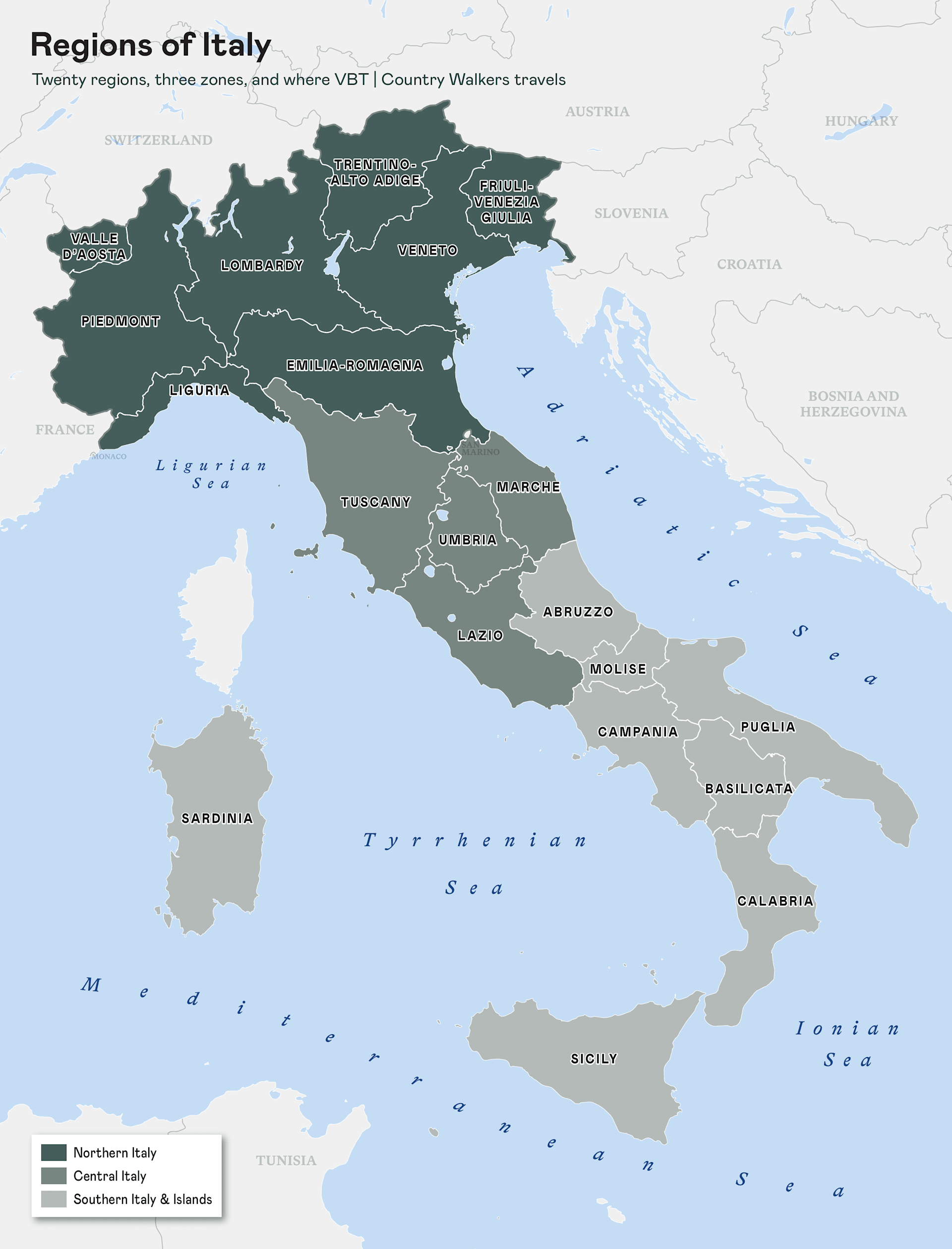
Please note that we’ve included all 20 regions here, including the 11 where VBT | Country Walkers does not currently run a trip. If you’re interested in experiencing one of these regions with us, we’ve included a second table at the end of this article that includes which tours of ours go to which region. Interested in more about the geography itself? Regions of Italy goes into more detail.
| Region | Known For |
| Valle d’Aosta | A single DOC covering the whole region, with native grapes including Petit Rouge and Fumin, and Blanc de Morgex et de La Salle made from white Prié Blanc. |
| Piedmont | Barolo and Barbaresco, both made entirely from Nebbiolo grown in the Langhe hills. |
| Liguria | Steep coastal terraces: the whites Vermentino and Pigato, the Bosco-based whites and Sciacchetrà of the Cinque Terre, and the red Rossese di Dolceacqua. |
| Lombardy | Franciacorta, a traditional-method sparkling wine, and the Nebbiolo reds of terraced Valtellina. |
| Trentino-Alto Adige | South Tyrol’s aromatic whites, including Gewürztraminer and Pinot Bianco, and the native reds Lagrein and Schiava; Trentino’s Trento DOC sparkling wine and Vino Santo made from Nosiola. |
| Veneto | Prosecco, Valpolicella and its dried-grape Amarone, and Soave, a white made mainly from Garganega. |
| Friuli-Venezia Giulia | White wines above all, with native varieties including Friulano, Ribolla Gialla and Picolit, and the red Refosco. |
| Emilia-Romagna | Lambrusco in Emilia; Sangiovese and Albana in Romagna, Albana being one of the first Italian wines awarded DOCG. |
| Tuscany | Sangiovese-based wines: Chianti Classico, Brunello di Montalcino and Morellino di Scansano, alongside the Cabernet and Merlot blends of Bolgheri. |
| Umbria | Montefalco Sagrantino, and Orvieto, a white made mainly from Grechetto and Procanico. |
| Le Marche | Verdicchio, from Castelli di Jesi and Matelica, and the Montepulciano-based reds of the Conero. |
| Lazio | Frascati, a white based on Malvasia from the volcanic Castelli Romani hills south of Rome. |
| Abruzzo | Montepulciano d’Abruzzo, the white Trebbiano d’Abruzzo, and Cerasuolo d’Abruzzo, a rosé made from Montepulciano. |
| Molise | Tintilia, a native red grape with its own DOC requiring at least 95% Tintilia. |
| Campania | The Aglianico-based Taurasi and the whites Fiano di Avellino and Greco di Tufo, all three DOCG, with Falanghina widely grown in the Sannio. |
| Puglia | Primitivo, especially around Manduria, and Negroamaro in the Salento; Nero di Troia in the north. |
| Basilicata | Aglianico del Vulture, grown on the slopes of the extinct Vulture volcano. |
| Calabria | Cirò, a red based on the native Gaglioppo grape, from the province of Crotone; Cirò Classico was recognized as DOCG in 2025. |
| Sicily | Catarratto and Nero d’Avola as the most planted grapes; Etna DOC wines from Nerello Mascalese and Carricante; Cerasuolo di Vittoria, the island’s only DOCG; and Marsala in the west. |
| Sardinia | The red Cannonau and the white Vermentino, with Vermentino di Gallura the island’s only DOCG. |
Italian wines are often named for a place rather than a grape. Chianti, Barolo and Soave are all place names. Barolo covers 11 municipalities south of Alba, Chianti Classico refers to a zone delimited in 1932 between Florence and Siena, and Soave is 13 communes east of Verona. Each appellation’s production specification defines its wine by a delimited territory rather than by a variety, which is why a wine list can send you looking for a grape that is not printed anywhere on the bottle.
The second thing on the label is the quality tier. Three abbreviations cover almost everything you will see.
| Label | Stands for | What it means for you |
| DOC | Denominazione di Origine Controllata | The wine comes from a defined zone and follows rules on grapes, boundaries and aging. |
| DOCG | Denominazione di Origine Controllata e Garantita | The same, with tighter rules and more controls. A wine qualifies only after at least seven consecutive years as a DOC, and recognition for its quality and its commercial reputation. |
| IGT | Indicazione Geografica Tipica | Looser. At least 85% of the grapes come from the named area, and the wine is made there. |
Below these three designations sits plain table wine, which carries no geographic claim at all. For a traveler the tiers say more about rules than about taste, and neither DOCG nor IGT tells you whether you will like what is in the glass. Read the place name first, since that is what the appellation is built around. The blog has five Italian wines worth knowing before you go.
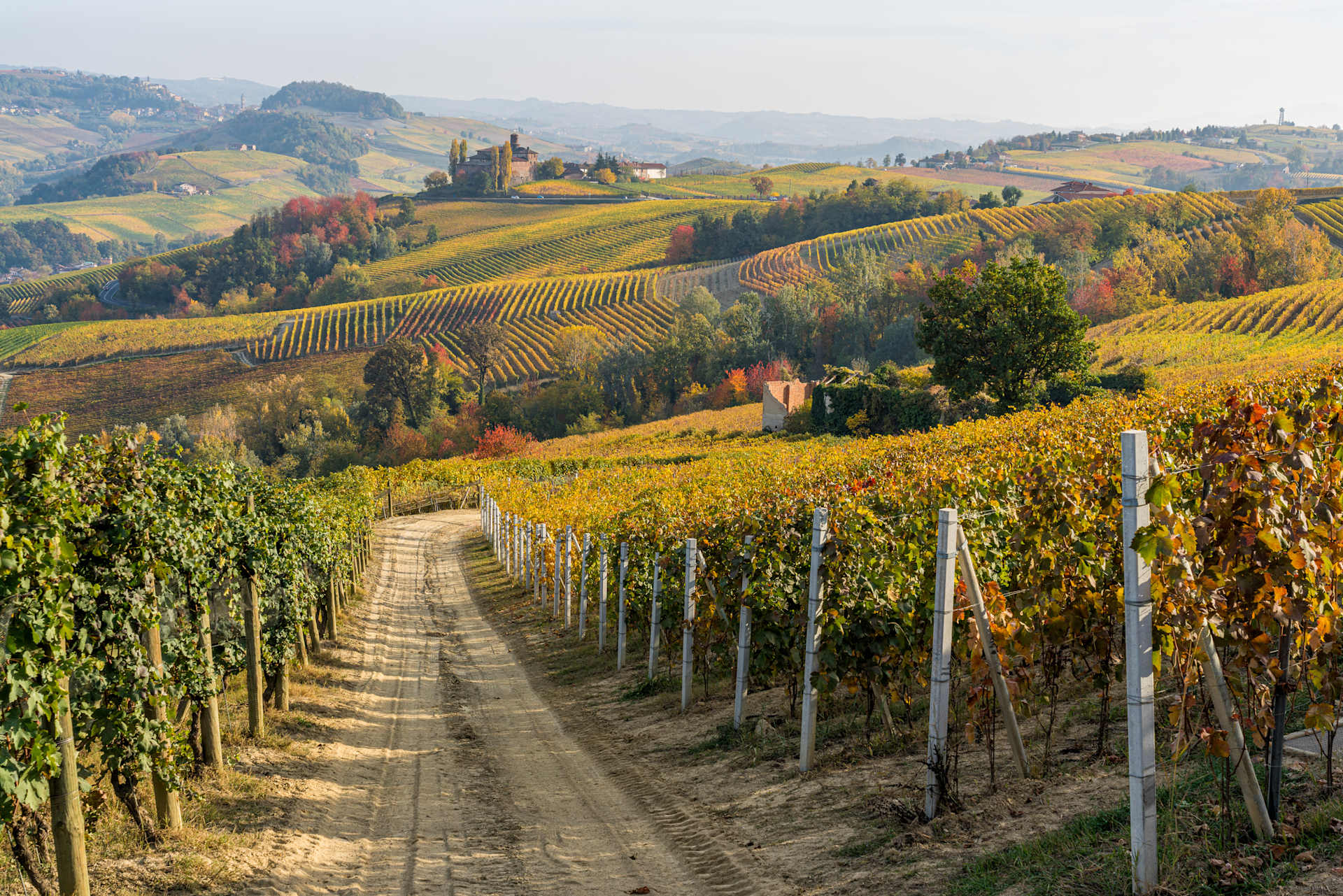
Piedmont’s reputation rests on Nebbiolo, and on two appellations made entirely from it. Barolo comes from 11 municipalities south of Alba. Barbaresco comes from Barbaresco, Neive, Treiso and part of Alba, a short distance northeast. Both sit in the Langhe hills, and because the grape is the same in each, what separates them is the ground the vines grow on and the rules each appellation sets.
Our Piedmont Bike Tour through Langhe & the Riviera is available in this part of the region, and wine is more than a single stop on it. Guests take a private guided tour of the cellars at Tenuta di Fontanafredda and stay two nights on the estate itself. Fontanafredda has a long history behind it: Vittorio Emanuele II bought the property in 1858, and his son Emanuele Alberto founded the winegrowing estate there in 1878. Wine Enthusiast named it European Winery of the Year in 2017. The itinerary also includes a dinner at an agriturismo in the Roero poured with the farm’s own wines, and a visit to the village of Barolo with time to explore its shops and tasting rooms on your own.
If you want to read up on the pairings first, the blog has a tasting menu for Piedmont.
Piedmont’s harvest runs late, with Nebbiolo typically picked into the last days of October, the late end of the Italian harvest.
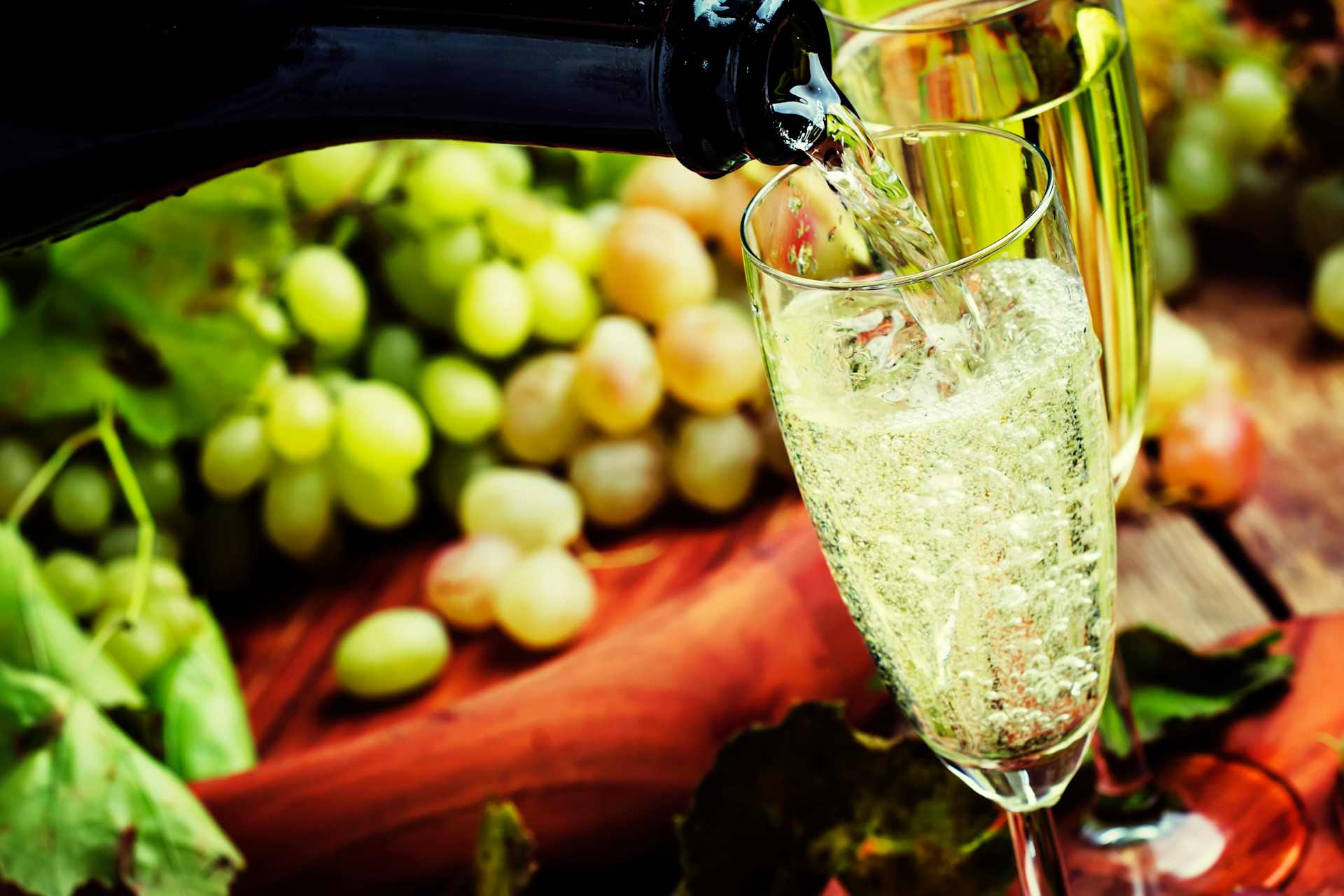
Lombardy’s two wine areas sit at opposite ends of the region and have little in common. Franciacorta makes sparkling wine by refermentation in the bottle, and in 1995 it became the first Italian wine produced exclusively by that method to be awarded DOCG. The base is Chardonnay and Pinot Nero, with Pinot Bianco permitted up to half the blend and the native Erbamat added to the rules in 2017.
In Valtellina, Nebbiolo grows on terraces held up by dry-stone walls that the production regulations put at more than 2,500 kilometers of linear development. The craft of dry-stone walling was added to the UNESCO intangible heritage list in 2018, and the terraced vineyards of the Rhaetian side carry Historic Rural Landscape status.
Both areas appear on the Lake Como Bike Tour in the Lake District. Guests visit a family-run Franciacorta winery for a tour, a tasting and lunch, and the route winds through the Valtellina terraces. A Valtellina red is poured at the welcome reception.
This is one region with two names and two different sets of wines. Alto Adige, or South Tyrol, is known for aromatic whites including Gewürztraminer and Pinot Bianco, and for two native reds, Lagrein and Schiava. Trentino, to the south, makes Trento DOC sparkling wine, recognized in 1993 as Italy’s first appellation reserved to the classic method, and the sweet Vino Santo of the Valle dei Laghi.
Vino Santo is worth knowing about before you order it. Loose-bunched Nosiola grapes are selected and laid out on racks called arele in lofts, dried for five or six months by the steady Ora del Garda wind coming off the lake, and pressed around Holy Week, by which point they have lost 80% or more of their weight.
Four trips are available in the region. The Lake Garda & the Dolomites Bike Tour takes the wine road to Lake Caldaro, where guests have a private visit and tasting at a family wine cellar, and stops for lunch at the Pedrotti family’s winemaking farm with a Vino Santo tasting. The Dolomites Bike Tour into Alpine Valleys includes a guided visit to the Abbey of Novacella, founded in 1142 with an endowment that already included vineyards and still one of the oldest active wineries in the world; the route passes vineyards in the Isarco and Venosta valleys. The Dolomites Self-Guided Bike Tour follows the wine route through the same country, with time to stop at a village cellar along the way. The Dolomites Walking Tour includes an aperitivo poured with Alto Adige wines.
Veneto covers three well-known names. Prosecco is made from Glera across nine provinces in Veneto and neighboring Friuli. Valpolicella, north of Verona, produces Amarone by resting picked grapes in drying lofts called fruttai for 100 to 120 days before they are pressed and vinified in winter, which concentrates the sugars and the polyphenols. Soave, east of Verona, is the white of the three, made from a minimum of 70% Garganega.

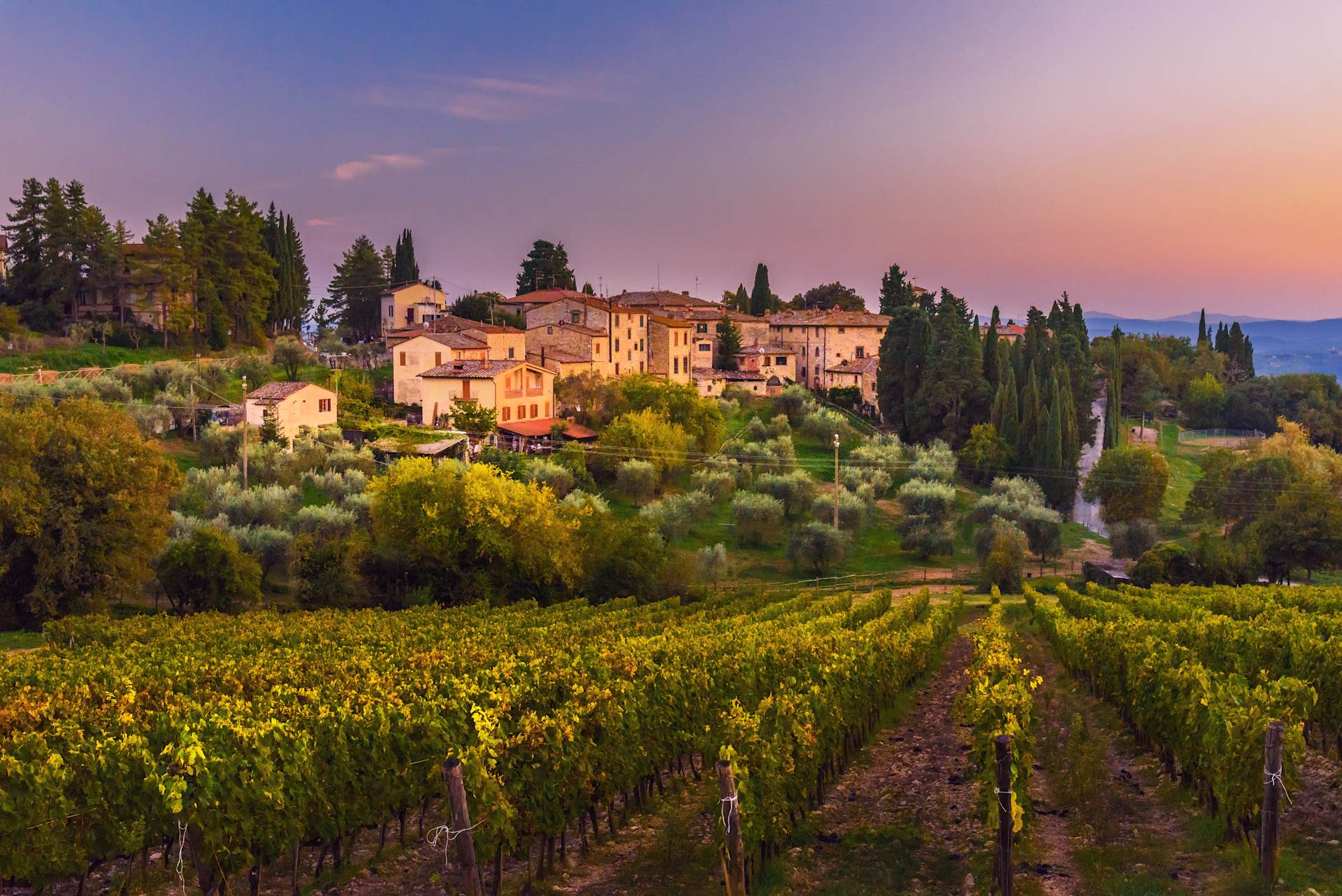
Sangiovese anchors many of Tuscany’s best-known wines: Chianti Classico, which requires a minimum of 80% and comes from the zone delimited in 1932 between Florence and Siena; Brunello di Montalcino, made entirely from Sangiovese, which in Montalcino goes by the name Brunello; and Morellino di Scansano down in the Maremma, at a minimum of 85%. Learning to recognize Sangiovese gets you a long way through a Tuscan wine list.
The exception is Bolgheri, on the coast south of Livorno. The 1994 rules there admitted red wines made from Cabernet and Merlot blends, which is why a Bolgheri label reads so differently from anything inland.
Three trips are available in Tuscany. The Chianti Bike Tour in Tuscany’s Wine Region takes guests to Castello di Meleto for a guided visit and a tasting, then down to the coast along the Strada del Vino Bolgherese, with a tasting at the Chiappini estate. The Tuscany Bike Tour by the Sea includes a picnic and guided tasting at the Il Ponte winery and a day on the Morellino di Scansano wine road, with olive oil and wine tastings along it. The Tuscany Walking Tour heads inland to Montalcino, where guests taste Brunello and Rosso di Montalcino at a cantina; Brunello is poured again at the welcome dinner, and the trip continues into Umbria.
The blog goes further into Chianti and Super Tuscan wines.
In a typical year, harvest in Tuscany can start as early as the last week of August in the warmest sites, though Chianti Classico’s Sangiovese is picked later, from around September 20 into the first ten days of October.
Umbria’s red is Montefalco Sagrantino, and it stays close to home. The DOCG can be produced only in the hill country of Montefalco and parts of four neighboring communes, Bevagna, Castel Ritaldi, Giano dell’Umbria and Gualdo Cattaneo, and it is made only from Sagrantino, a variety native to the zone. The official name order is Montefalco Sagrantino, though you will see it written both ways.
Orvieto is the white. The DOC blend is a minimum of 60% Procanico and Grechetto, and the zone crosses the regional border into the province of Viterbo, in Lazio.
The Umbria Bike Tour through Italy’s Green Heart is available here, and its route winds past the Sagrantino vineyards outside Montefalco. Wine arrives at the table rather than at a cellar door on this one: dinner at an enoteca is paired with regional wines, and the farewell dinner is poured with estate wines. Lunch in Montefalco is on your own, which is the moment to order a glass of Sagrantino where it is made. The route also crosses into Le Marche, the neighboring region, on its way east.
Puglia is Italy’s second-largest wine producer by volume, behind Veneto, and in the 2025 estimate it accounted for about 19% of national output. Most of what it makes is red. Primitivo is the main grape, especially around Manduria, where the DOC has covered 18 communes across the provinces of Taranto and Brindisi since 1974, and where a sweet version, Primitivo di Manduria Dolce Naturale, was raised to DOCG in 2011. Negroamaro is the other Salento red, required at a minimum of 85% in Salice Salentino since the specification was revised in May 2026, and at 90% where the label carries the grape name. Further north, Nero di Troia takes over.
The Puglia Walking Tour includes a sommelier-guided tasting at a masseria near Otranto, and a dinner in Matera, over the border in Basilicata, poured with Primitivo. The Puglia Self-Guided Bike Tour follows quieter roads through the same country, with time along the way to stop for lunch and a tasting at a local winery if you want one.
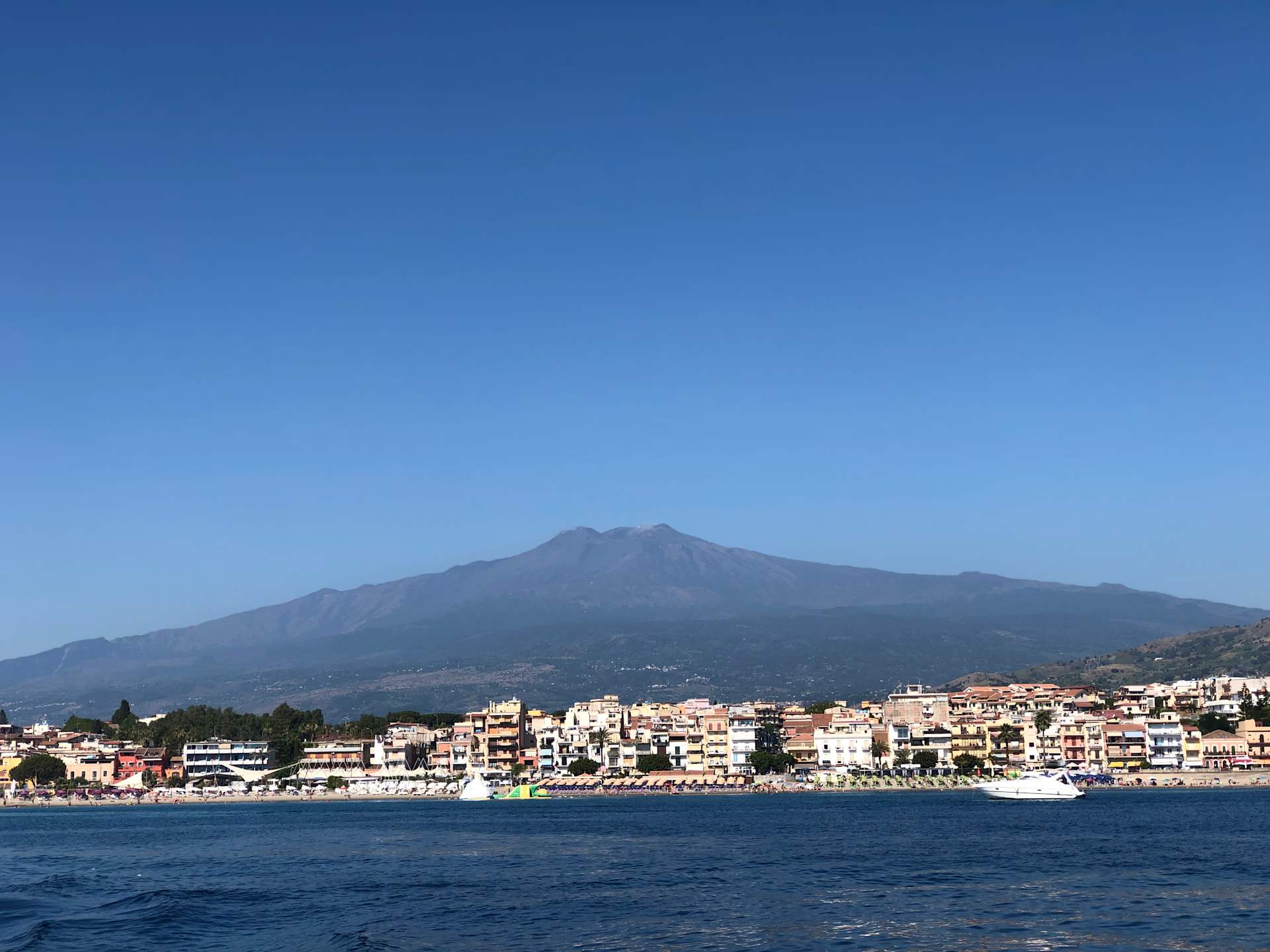
Sicily’s wine comes from several different areas. Catarratto and Nero d’Avola are the island’s most planted grapes, and Nero d’Avola is the one you are most likely to see on a wine list at home. Etna is the newer name: the DOC on the volcano’s slopes makes reds from Nerello Mascalese and whites from Carricante, grown on volcanic soil. Sicily has 24 protected wine appellations, and one of them is a DOCG: Cerasuolo di Vittoria, a blend of Nero d’Avola and Frappato from the southeast.
Marsala comes from the west. The DOC zone is the entire province of Trapani, leaving out the communes of Pantelleria, Favignana and Alcamo. No VBT | Country Walkers trip goes to that corner of the island.
Two trips are available on the eastern side. The Sicily Walking Tour includes a light lunch and a wine tasting at a winery on Etna. The Sicily Bike Tour in Noto Valley & Syracuse ends with a farewell dinner and tasting at a historic family winery on the volcano.
Sicily opens the Italian harvest. In a typical year picking starts in late July in the province of Trapani, about a month before most of the country begins.
Inland Irpinia holds three of Campania’s four DOCG wines: Taurasi, made from Aglianico, and the whites Fiano di Avellino and Greco di Tufo. Falanghina is grown widely in the Sannio, and the coast has an appellation of its own in Costa d’Amalfi DOC. The Amalfi Coast Walking Tour is available in the region, and local wines are poured at dinner, though the itinerary has no winery visit on it.
Sardinia’s two names are Cannonau, the red, and Vermentino, the white. Vermentino di Gallura, from the northeast corner of the island, is Sardinia’s only DOCG and requires a minimum of 95% Vermentino, while Cannonau di Sardegna covers the red across the island. The Self-Guided Sardinia Bike Tour along the West Coast runs down the island’s southwest, through Carloforte and Sant’Antioco, with no winery stop on the itinerary.
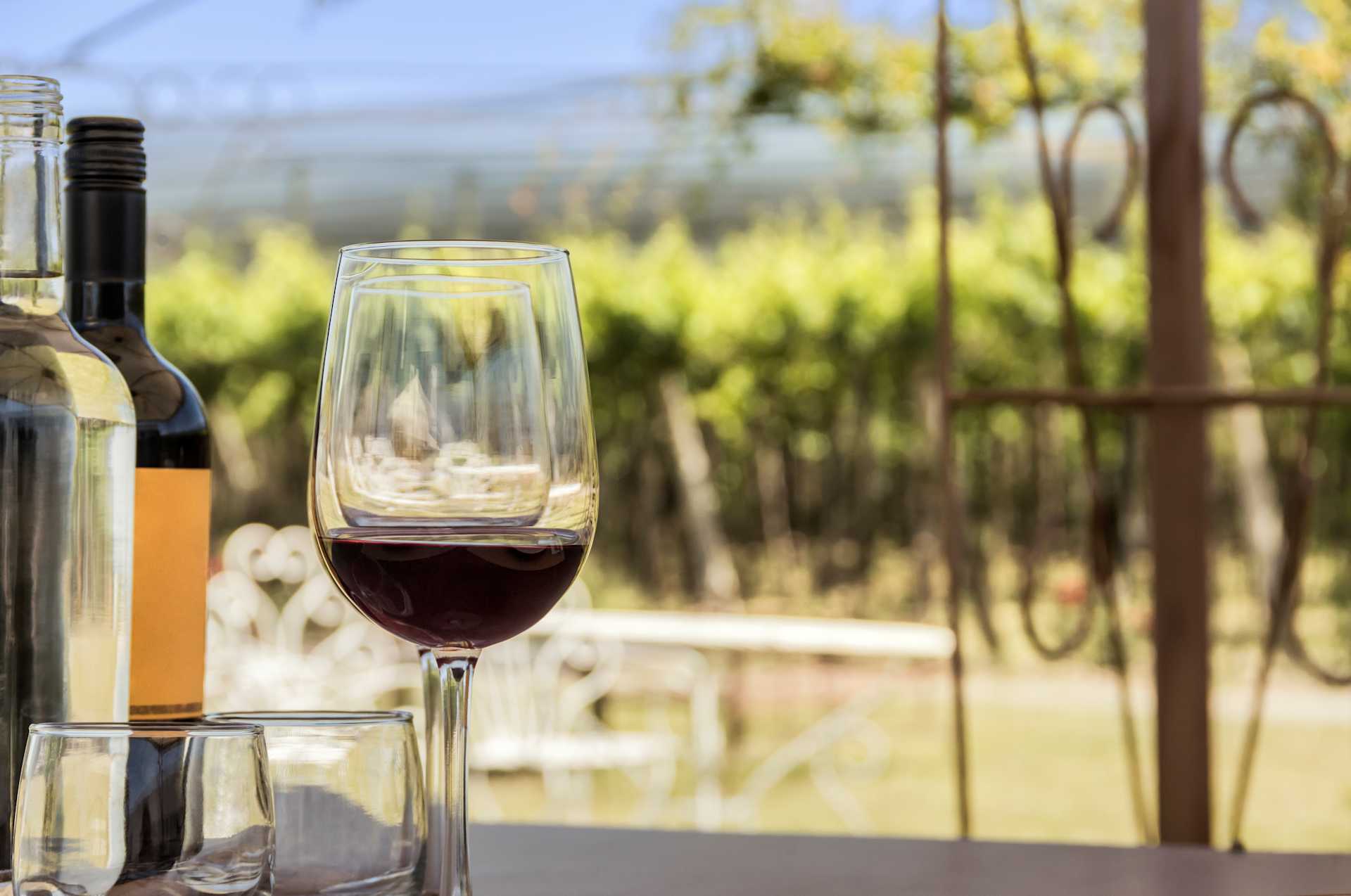
Five words cover most of what you will run into. An enoteca is a shop or cellar where wines are kept and displayed for sale or for tasting, and many also serve food, which is why the same sign can front a bottle shop or a full restaurant. A cantina is the cellar itself, below ground in its oldest sense; in the trade it means the whole set of rooms where wine is made, aged and bottled, and in wine-producing areas it can also mean a plain room where wine is sold and drunk by the glass.
Aperitivo is the drink taken before a meal to open the appetite, and the word comes from the Latin aperire, to open. The category has widened over time to take in low-alcohol and non-alcoholic drinks, so ordering one does not commit you to anything in particular.
House wine is often served loose rather than bottled, poured from a carafe. Unbottled wine sold this way is vino sfuso, and it is ordered by volume, by the quartino or the liter.
Visiting a winery takes a little more planning. Italian wineries that host visitors are regulated as enoturismo businesses under a 2019 ministerial decree, which sets minimum standards for them: opening at least three days a week or on a seasonal schedule, providing a way to book a visit, preferably online, and posting a sign at the entrance listing hours, services and the languages spoken. Many estates ask you to reserve ahead, so it is worth checking before you turn up at the gate. Things to Do in Italy covers what else fills the day.
Harvest is the obvious draw, and it is not a single event. In a typical year picking opens in late July in western Sicily, reaches Puglia in the first days of August, starts in Tuscany’s earliest sites in the last week of August, and finishes with Nebbiolo in Piedmont in late October. Most of the country picks somewhere between late August and early October.
So the timing depends on where you are going. If you want to be in Chianti while the Sangiovese comes in, that is the second half of September into the first ten days of October, and Piedmont runs about a month behind it. The wine is there year-round, so the choice of month can come down to weather and to what else you want to do while you are there. Best Time to Visit Italy covers the calendar in full.
Nine of Italy’s 20 regions have a VBT | Country Walkers trip available. Six of them include a winery visit or a guided tasting on the itinerary: Piedmont, Lombardy, Trentino-Alto Adige, Tuscany, Puglia and Sicily. The Umbria, Campania and Sardinia trips pour local wines at the table but make no cellar stop. The wines in the last column are what each region is known for rather than what any itinerary serves, so read that column as a shopping list for wherever you end up eating. If your interest runs past Italy, the blog looks at cycling tours through wine regions elsewhere in the world.
| Region | VBT | Country Walkers Trips | Wines to Try There |
| Piedmont | Piedmont Bike Tour through Langhe & the Riviera | Barolo and Barbaresco, both made entirely from Nebbiolo. |
| Lombardy | Lake Como Bike Tour in the Lake District | Franciacorta sparkling wine; the Nebbiolo reds of Valtellina. |
| Trentino-Alto Adige | Lake Garda & the Dolomites Bike Tour; Dolomites Bike Tour into Alpine Valleys; Dolomites Self-Guided Bike Tour; Dolomites Walking Tour | Gewürztraminer and Pinot Bianco; the reds Lagrein and Schiava; Trento DOC sparkling wine; sweet Vino Santo. |
| Tuscany | Chianti Bike Tour in Tuscany’s Wine Region; Tuscany Bike Tour by the Sea; Tuscany Walking Tour | Chianti Classico, Brunello di Montalcino and Morellino di Scansano; the Cabernet and Merlot blends of Bolgheri. |
| Umbria | Umbria Bike Tour through Italy’s Green Heart; Tuscany Walking Tour (continues into Umbria). | Montefalco Sagrantino; the white Orvieto. |
| Campania | Amalfi Coast Walking Tour | Taurasi, Fiano di Avellino and Greco di Tufo from Irpinia; Falanghina; Costa d’Amalfi DOC on the coast. |
| Puglia | Puglia Walking Tour; Puglia Self-Guided Bike Tour; Puglia Bike Tour on the Undiscovered Coast | Primitivo, especially around Manduria; Negroamaro in the Salento; Nero di Troia in the north. |
| Sicily | Sicily Walking Tour; Sicily Bike Tour in Noto Valley & Syracuse | Etna reds from Nerello Mascalese and whites from Carricante; Nero d’Avola; Cerasuolo di Vittoria. |
| Sardinia | Self-Guided Sardinia Bike Tour along the West Coast | The red Cannonau and the white Vermentino, including Vermentino di Gallura. |


Over 98% of guests tell us they plan to travel with VBT | Country Walkers again.