Planning a trip to Italy? VBT | Country Walkers' practical guide covers seasons by region, getting around, safety, language, and how to structure your time.
By Molly Waldstein, Travel Writer
Seasons, regions, logistics, and the questions every Italy traveler asks before they go. Practical answers from decades of running active trips in Italy.
Planning a trip to Italy comes down to a handful of decisions: how you want to travel, when to go, which region, how long to stay, and how you'll get around. Start with the style, since it shapes the rest: bike or walk, guided or self-guided. Most regions can be done either way, so that part is entirely up to your preference. The main exception is the Amalfi Coast, where the terrain is built for walking. Season depends on where you're headed, since spring and fall work almost everywhere while the hot south is especially splendid in early spring and later into the fall season. A week suits one region, ten days adds a city or an Extra Experience, and two weeks lets you pair two. Between cities, or before or after one of our tours, Italy's trains are excellent and are how most independent travelers get around. On a VBT | Country Walkers trip, the daily logistics are handled for you; your luggage moves between hotels and a support van is on hand. VBT | Country Walkers runs 18 trips across eight Italian regions, by bike or on foot.
Italy doesn't have one travel season. The broad rule holds everywhere: spring and fall are the sweet spots, warm enough to ride or walk all day and far quieter than midsummer. Summer is where the regions split. The hot south sits out the peak heat, while the mountains and lakes up north stay comfortable and keep going. Italy in August is hot and crowded, and best avoided if possible.
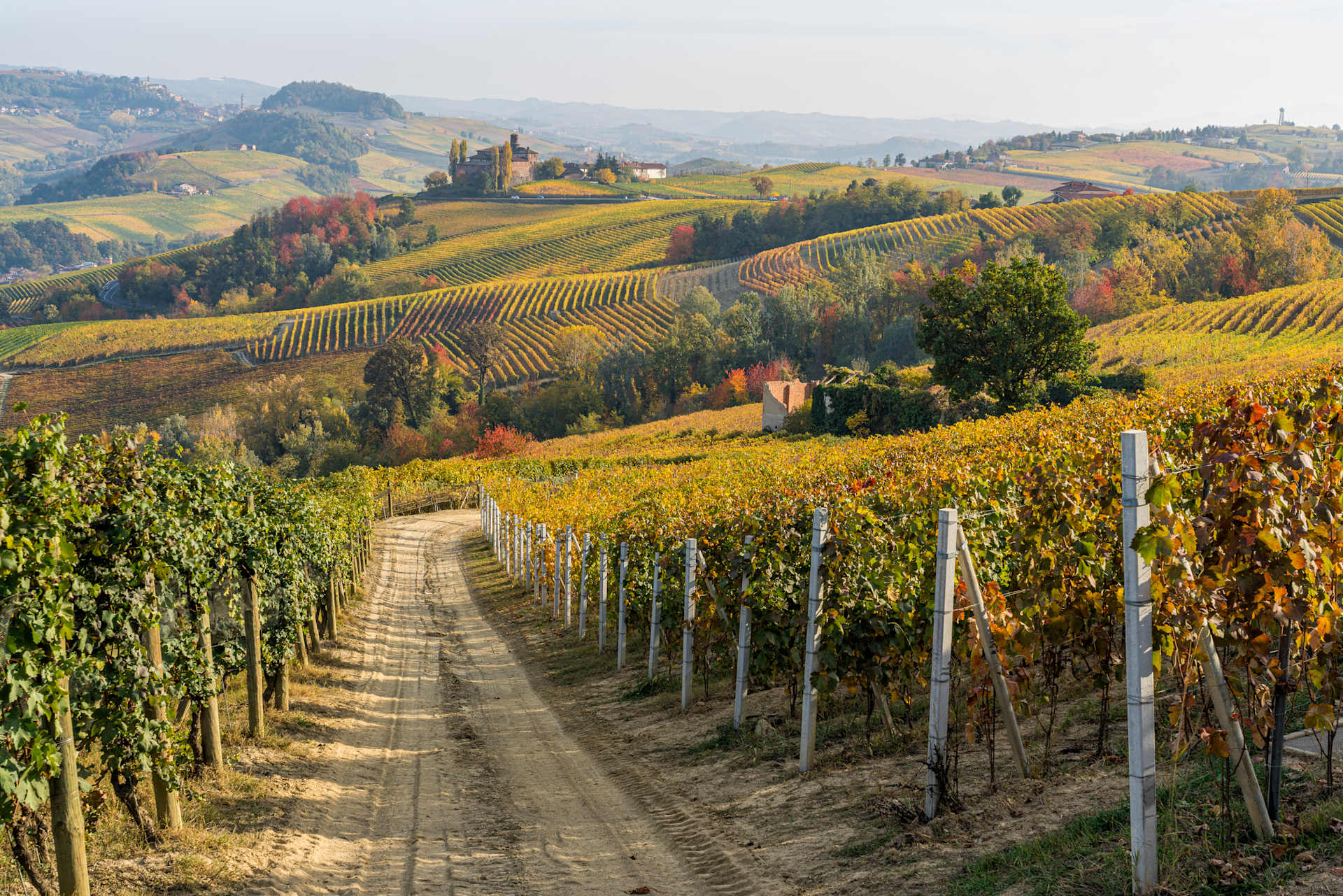
Altitude and water keep the temperature comfortable, so this is the part of the country that works in high summer. The lakes and the Dolomites primarily run tours from late spring into the warmer months and in the fall. Piedmont saves its best for fall, when truffle season opens, and the new vintage is the talk of the Langhe.
Best in Spring and Fall: warm, golden, and busy in the famous spots. Late spring brings wildflowers and manageable heat. September and October bring cooler temperatures, along with the grape harvest in Chianti and thinner crowds in the Val d'Orcia. Midsummer runs hot and crowded.
Heat sets the calendar. Active trips run in spring and fall and pause through the peak of summer, then pick back up from September into October, when the sea is still warm and the crowds settle. Puglia's scenic coast and Sicily's southeast both shine in those windows.
Wherever you go, August is the month to plan around. It's when Italians take their own holidays and crowd the coasts and hill towns, and VBT | Country Walkers avoids August departures for that reason. If you can travel another month, do.
Each trip lists its own departure dates, so the tour pages are the place to check exact timing. For the month-by-month version, with festivals and microclimates, the Best Time to Visit Italy guide takes the calendar one month at a time.
The amount of time you have changes what kind of trip makes sense.
A week is just enough for a single region, and that’s a limitation you’ll appreciate. Seven days in Puglia or the Amalfi Coast is enough to settle in, learn one place, and come home knowing it rather than having glimpsed a blur of the landscape. Most VBT | Country Walkers trips run about a week for that reason: one region, done well. Some range wider across several regions. Try to bolt through a second region onto seven days on your own, though, and you'll spend more time in transit than exploring.
Ten days is the comfortable middle. One region plus a city on one end: a few days in Rome before you head south, or a quick stop in Florence before exploring Tuscany. Enough to pair the active part with some urban time without rushing either.
Two weeks opens up real range. Explore two regions linked by train, or one region more slowly with extensions in cities on both or either end. This is where the pre- and post-trip Extra Experiences earn their keep, and where a tour consultant can line up two VBT | Country Walkers trips back to back.
What two weeks won't do is let you see all of Italy. Nobody does that in two weeks, and any itinerary that promises it is overreaching. Choose depth over coverage and you'll have the better trip. The real question isn't how many days you have, it's how much depth you want from them.
If you haven't settled on a region yet, a few questions narrow it fast.
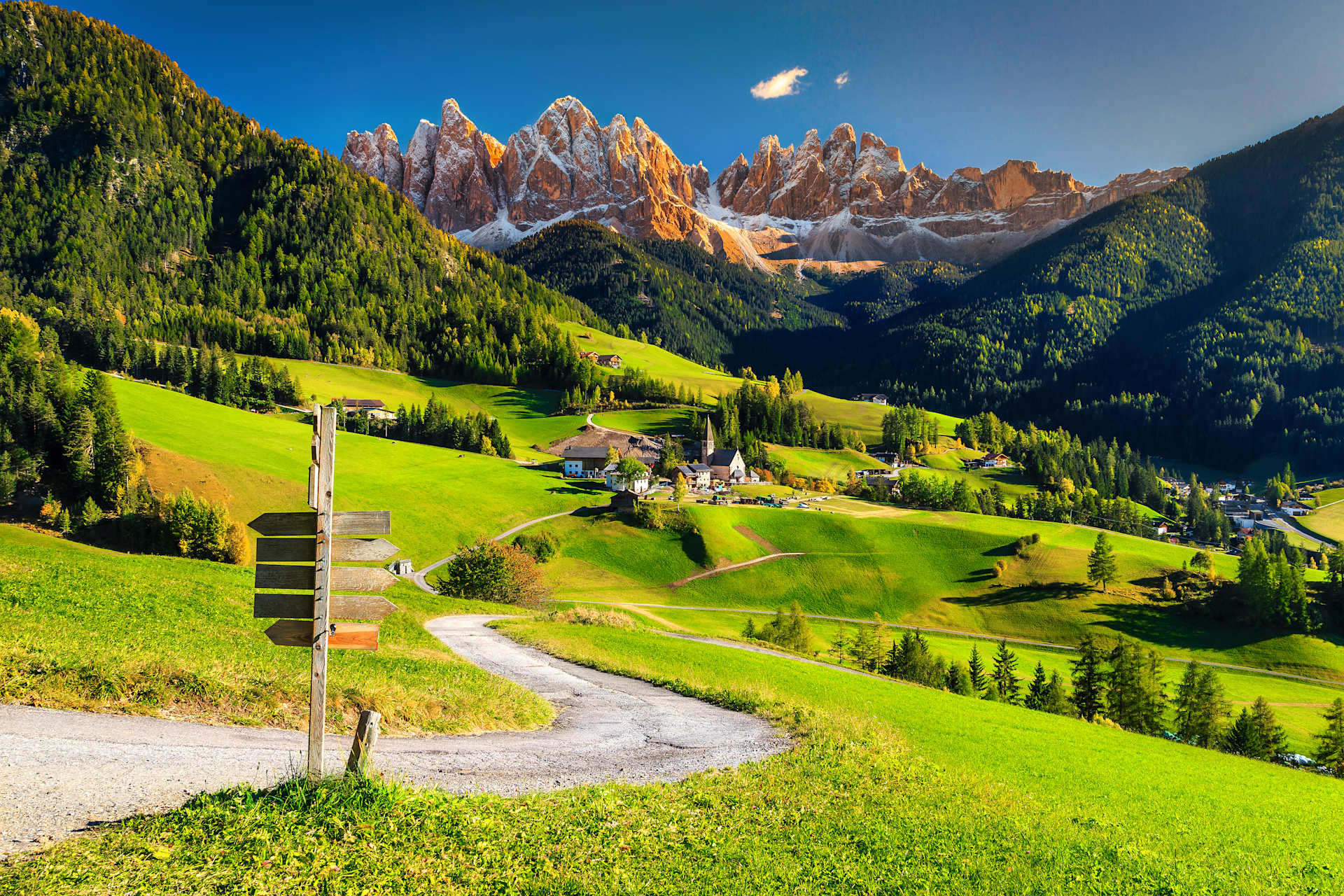
What do you want around you, and under your wheels or underfoot? Big mountain scenery points north to the Dolomites, where the riding mostly follows low-traffic valley bike paths and rail trails rather than the climbs the peaks suggest. A coastal view and scenic, low-traffic riding is what you'll find in Puglia or Sardinia. Rolling countryside with vineyards along the way is Tuscany or Piedmont.
How much buzz do you want? Some travelers want the famous places and don't mind sharing them, and Tuscany and the Amalfi Coast deliver. Others want quiet roads and towns with fewer crowds, which is Puglia, Sardinia, and Umbria. Neither is wrong. They're just different holidays.
What do you want on the plate and in the glass? Food and wine vary greatly by region. Piedmont means truffles and the Nebbiolo grape that gives us fine Barolo wines; Tuscany features Sangiovese vintages; the coasts and islands of Puglia, Sicily, and Sardinia lean into seafood and the crisp local whites that go with it.
First time or repeat? If it's your first Italian trip, the well-known regions are known for good reason. If you've already done the cypress-lined avenues, the less-trafficked south and the islands deserve a second look. For the full regional overview, head up to the Italy travel guide hub.
For independent travel between cities, Italy runs on trains, and for most trips you won't need anything else. The high-speed network is excellent; Trenitalia's Frecciarossa and the private operator Italo both run the spine routes. Rome to Florence takes about 90 minutes. Florence to Venice takes a little over two hours. Book the fast trains a few weeks out for the cheaper seats. Regional trains are slower and need no reservation, so you can just turn up. One thing to plan for: outside the big cities, taxis can be scarce and ride-hailing barely exists, so if you are taking a train into a smaller town, arrange a pickup or a hired car ahead of time rather than counting on a cab at the station.
Driving is the exception, not the default. You'd want a car for deep countryside, parts of Tuscany's back roads or rural Sicily, but in the cities it's a liability. Most historic centers are ringed by ZTL zones (zona a traffico limitato) - camera-enforced no-go areas for non-residents, and the fines find you months later through the rental company. Most of Florence's historic center is a ZTL, and the zone keeps expanding. So is Rome's center. Autostrada tolls add up too, paid by ticket at the barriers or by Telepass if the rental has one.
Flying makes sense for the islands. Sicily and Sardinia both have overnight ferries, but a short domestic hop from Rome or Milan usually wins on time.
On a VBT | Country Walkers trip, none of this is your problem. The route's mapped, your luggage moves ahead to the next hotel, and a support van shadows the day's ride so you can climb in whenever you've had enough. No driving, no train puzzles, no parking. The what's-included details lay out how the days run. And if you opt for a VBT | Country Walkers Tour + Travel Package, you’ll even find a representative waiting to pick you up at the airport and whisk you to your first hotel for a truly worry-free experience.
Safety. Italy is a safe place to travel by any reasonable measure, and the thing to watch for is petty theft, not violence. Pickpockets (often children) work the crowded, distracted spots: Rome's metro and the streets around Termini, busy Naples, packed buses, crowded piazzas, and the steps of the big sights. The solution is simple. Keep your phone and wallet zipped away in crowds, wear a daypack on your front when it's shoulder-to-shoulder, and don't drape your bag over an empty chair at lunch. For current conditions and any regional advisories, check the U.S. State Department's Italy page before you go.
Language. You can travel throughout Italy on English alone, especially in hotels, restaurants, and anywhere accustomed to visitors. But a few words of Italian change the temperature of every interaction. Say Buongiorno on the way in, grazie on the way out, un caffè per favore at the bar. Nobody expects fluency, and trying at all reads as respect, which buys you warmer service. Out in the rural south, where English thins out, those phrases stop being just polite and start to become essential.
Money. Italy is on the euro, and contactless cards and phones work nearly everywhere, including most taxis and cafes. Carry some cash anyway for the small rural spots: the farm stand, the village trattoria, the honesty box at a country church. Many places add a coperto, a small per-person cover charge (usually one to three euros) for the table setting and bread. It isn't a tip. Tipping here isn't like the American system; locals round up or leave a euro or two, and in tourist spots a service charge (servizio) is sometimes already on the bill. Rome is the odd one out, since the city bans the coperto.
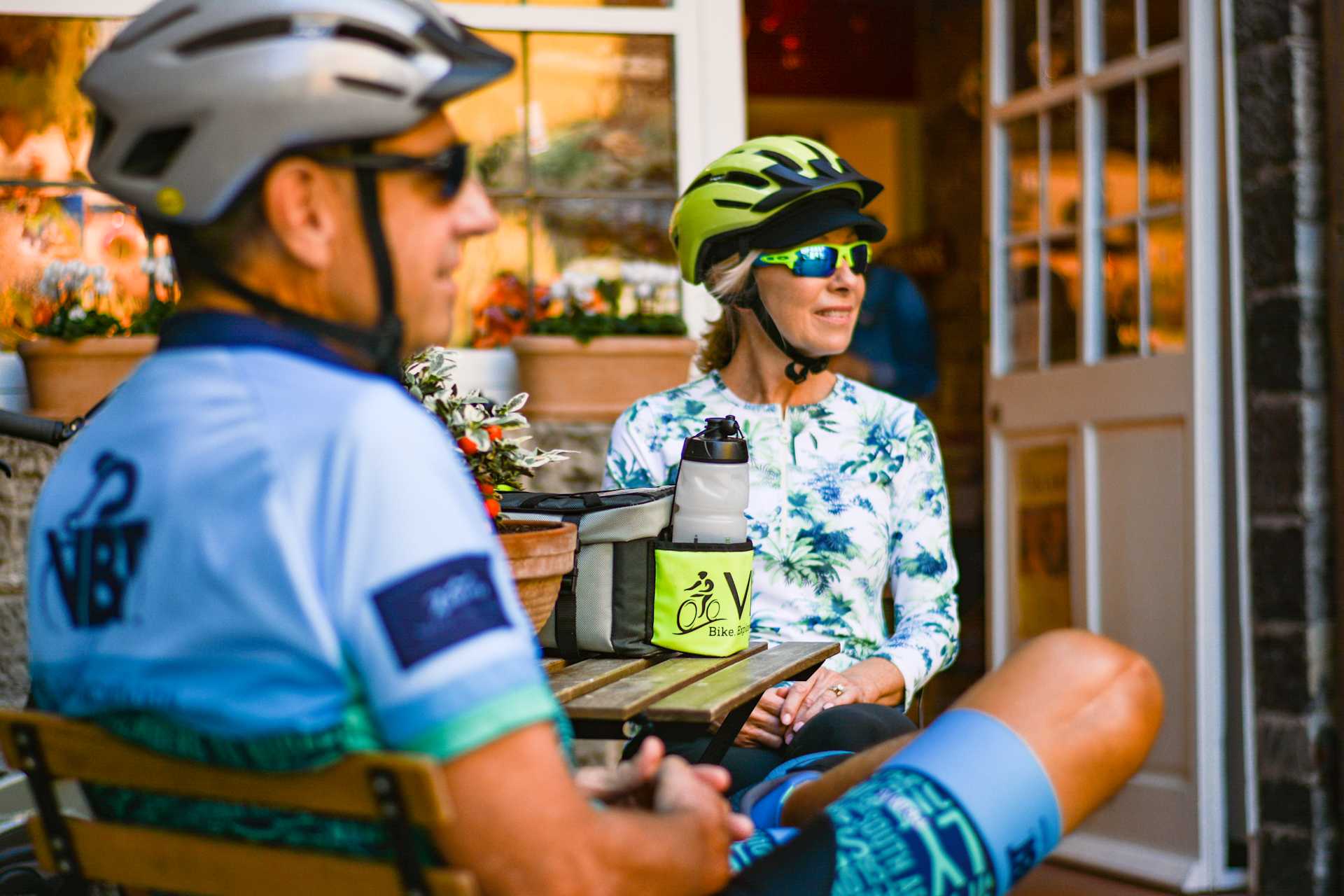
There's a difference between seeing a place and experiencing it. Drive past an olive grove and it's scenery. Ride through it, stop while someone's harvesting, catch the smell of the crush, and it stays with you. Walking and cycling hold you at that pace; slow enough to notice the details, steady enough to still get somewhere over a day. That's the whole case for an active vacation. You come home knowing the place, not just having photographed it.
The job of VBT | Country Walkers is to take the friction out so the active part is the good part. Meet local Trip Leaders who actually live in the regions where they lead. Stay in lodging that reflects the authentic character of the region, such as a masseria in Puglia or an old wine estate in Barolo–rather than a corporate chain hotel in the most touristy section of town. Home-hosted meals are a highlight on the guided trips. There’s a support van, so a hard climb is never a trap. E-bikes are available on nearly every ride, which is why "can I keep up?" stops being a question. The specs live on the VBT | Country Walkers bicycle lineup. The what to pack guide covers the rest of your travel kit, including what you actually need on riding and walking days.
Two questions shape an Italy trip more than any others: bike or walk, and guided or self-guided. The active travel decisions guide works through both in depth, with separate guides for Italy bike and walking tours.
A VBT | Country Walkers trip is one chapter of an Italy visit. Most travelers fly into Rome, Milan, or Venice, and have a few days free on one or both ends of the tour. They're worth using well.
A pre-trip stay is a good way to beat the jet lag before the active part starts: a few days in Matera or Monopoli before a Puglia tour, a long weekend in Venice before the Dolomites, or Milan or Florence as a soft landing. The post-trip Extra Experiences give you more time in places like Rome, Verona, or Bologna, and after Sicily, Syracuse rewards the extra days with its history and food.
This is where VBT | Country Walkers helps more than people assume. The Tour + Travel Package bundles your flights, airport transfers on the scheduled dates, and up to two extra hotel nights with breakfast, so the day before and the day after are organized instead of improvised. One thing to know: the airport pickup comes with the package. Book your own airfare and you make your own way to the first hotel (though you can still add the extra nights and optional pre- and post-trip Extra Experiences, subject to availability).
What VBT | Country Walkers won't do is plan a two-week independent ramble across five cities for you. If that's the trip you want, you'll build the connecting pieces yourself. Similarly, if you’re booking a Tour Only package and set your own arrival and departure dates, your airport transfers become yours to arrange. For the wider menu of what's worth doing between the active days, the Things to Do in Italy guide goes deep.
You don't have to lock in every detail now. Pick the season that fits your schedule, choose a region that shines at that time of year, and the rest tends to fall into place once those two are set. When you're ready to look at real dates, routes, and effort levels, browse all of our Italy tours. Still weighing where to go? Explore Italy by region and let the place lead.



Over 98% of guests tell us they plan to travel with VBT | Country Walkers again.