VBT | Country Walkers has spent decades planning active travel itineraries in these regions, so the guidance here comes from experience.
By Molly Waldstein, Travel Writer
Eight regions, two pace options (bike or walk), decades of guiding travelers across Italy. Start here.
Italy is one of the best places to travel actively. There's so much worth doing that the hardest part is knowing where to begin. This guide is built to help you start.
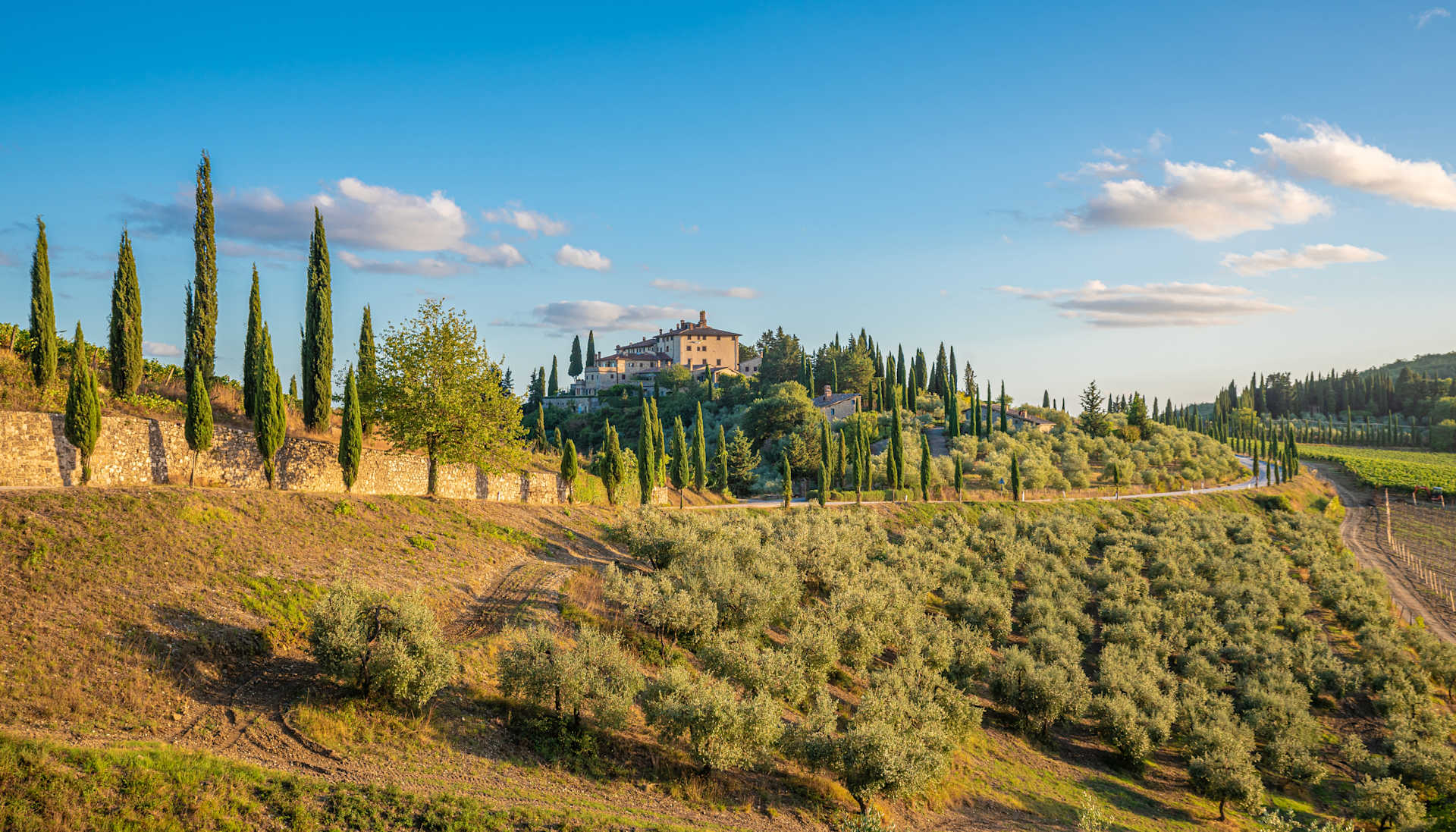
The smart way to approach traveling in Italy is to view the country as a set of distinct regions rather than one destination. The food, the dialect, the landscape, even the pace of a meal shifts from region to region. Tuscany's cypress lanes and Chianti vineyards feel nothing like Puglia's whitewashed trulli and olive groves, and the Dolomites' alpine valleys share little with Sicily's Baroque hill towns near Noto.
There's no single way to plan a trip to Italy. Some travelers start with the place or region they've always had on their bucket list. Others start with the season they can get away, or with how they want to travel, like by bike or on foot, guided or self-guided, or maybe solo or in a larger group with friends. Whatever your priority, this guide is built to meet you there with notes on different regions, when to go, what's worth eating, and which trips suit which kind of traveler. VBT | Country Walkers has spent decades planning active travel itineraries in these regions, so the guidance here comes from experience.
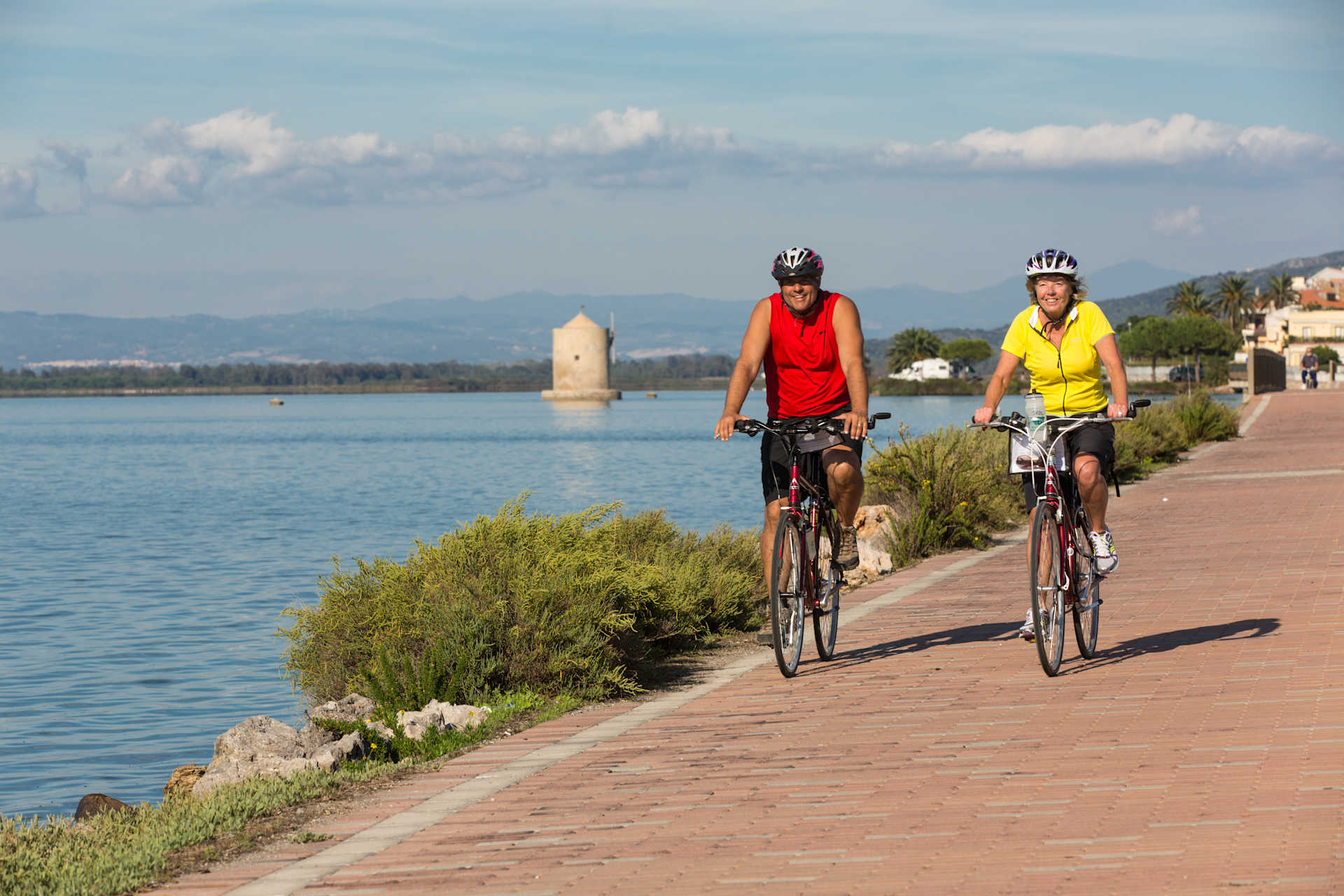
VBT | Country Walkers offers a unique take on Tuscany. The Tuscany by the Sea bike tour is the quintessential one, with easy riding through the Maremma, coastal views, and Mediterranean beaches to swim off along the way. Chianti has some real hills to climb through Tuscany's exceptional wine country. And Umbria, next door, takes you off the route most tourists know, onto quiet roads with little traffic, where the cuisine is a highlight and the riding stays satisfyingly challenging. Four trips cover the area, on foot or by bike.
Featured trip: Chianti Bike Tour in Tuscany's Wine Region
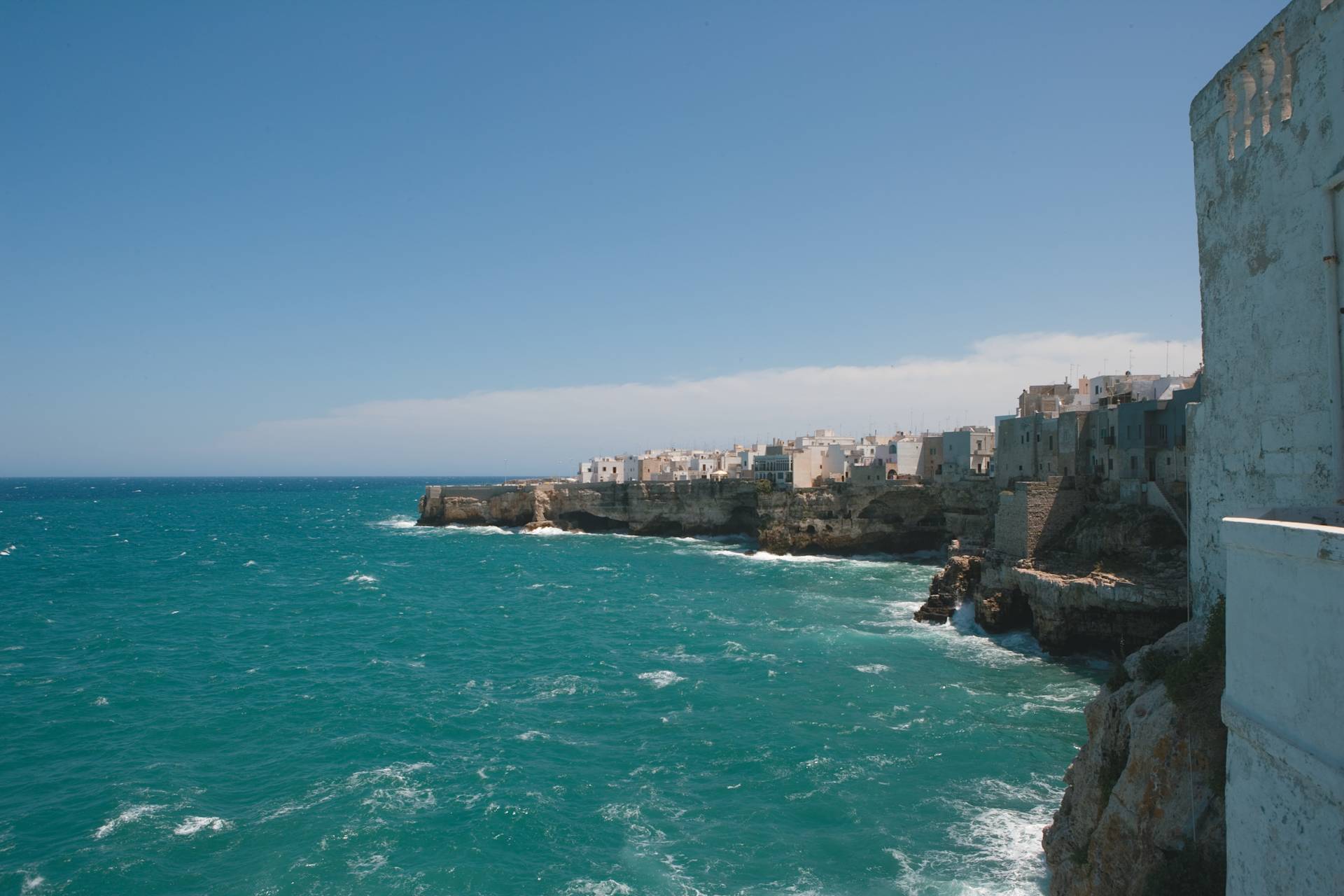
Puglia is the heel of the boot, and offers both flat terrain and rolling picturesque hillsides. The landmarks are unique here: trulli, the conical stone huts clustered around Alberobello, and masserie, fortified farmhouses turned into unique boutique lodgings featuring the authentic character of the region. You ride between olive groves older than your home state, through whitewashed Ostuni, down to the Baroque stonework of Lecce. Burrata comes from here. So does orecchiette. We offer three trips, guided or self-guided biking, or guided walking.
Featured trip: Puglia Bike Tour on the Undiscovered Coast
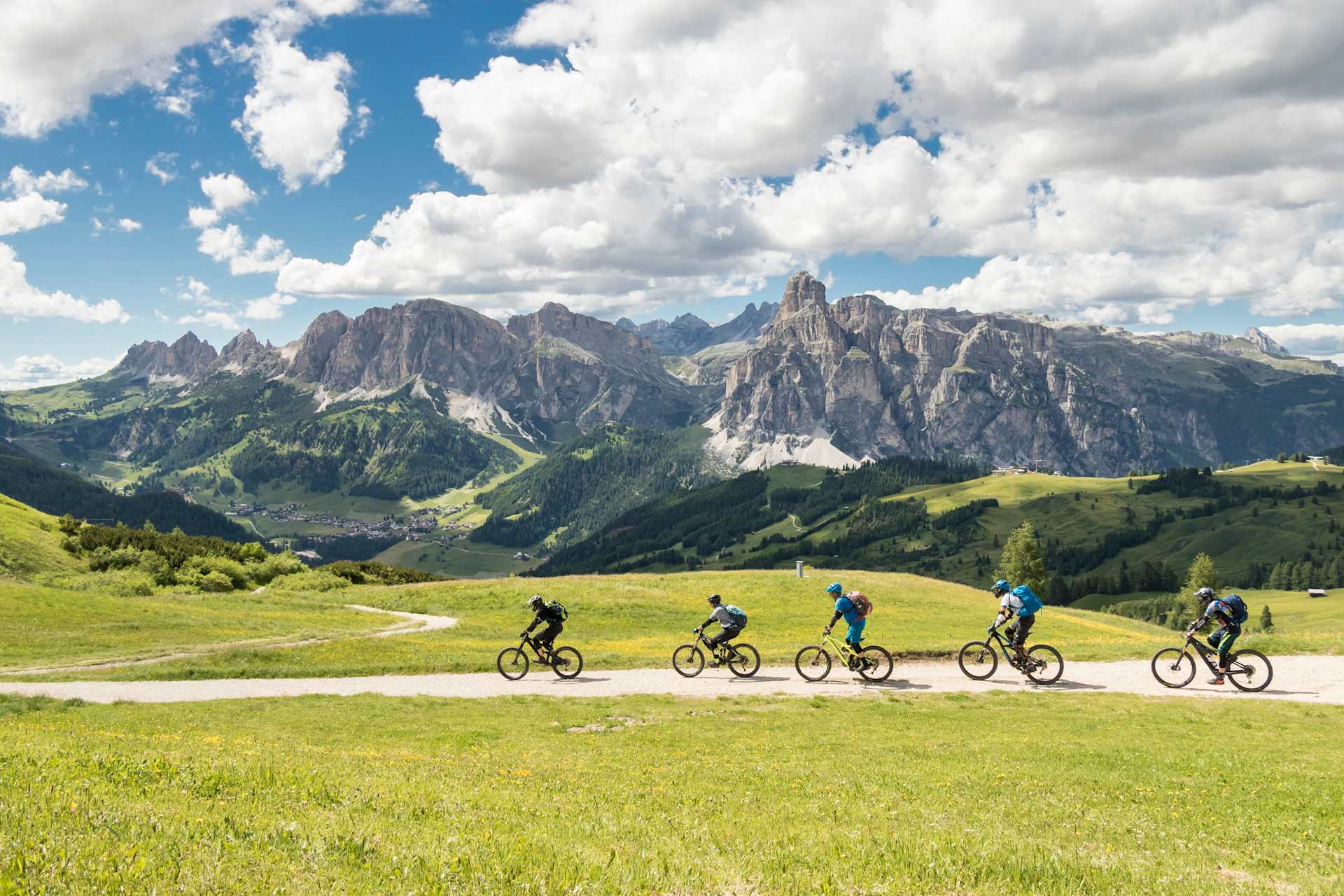
Here's the surprise about cycling the Dolomites: most of its bike paths are flat. VBT | Country Walkers' routes follow valley bike paths and rail trails, which is why the rides rate easy despite the scenery suggesting otherwise. You're pedaling under limestone cliffs that turn pink at sunset, past apple orchards, through towns where you’ll find menus written in two languages: German and Italian. This is South Tyrol, an Italian region that feels half Austrian. Many people speak German, the food leans toward German fare as well, and the local white is a crisp Alto Adige. The walking trips trade bike paths for steep alpine trails and is rated moderate-challenging. Our biking tours provide E-bikes and will make the more challenging trails easier.
Featured trip: The Dolomites: Bolzano to Ora (Self-Guided)
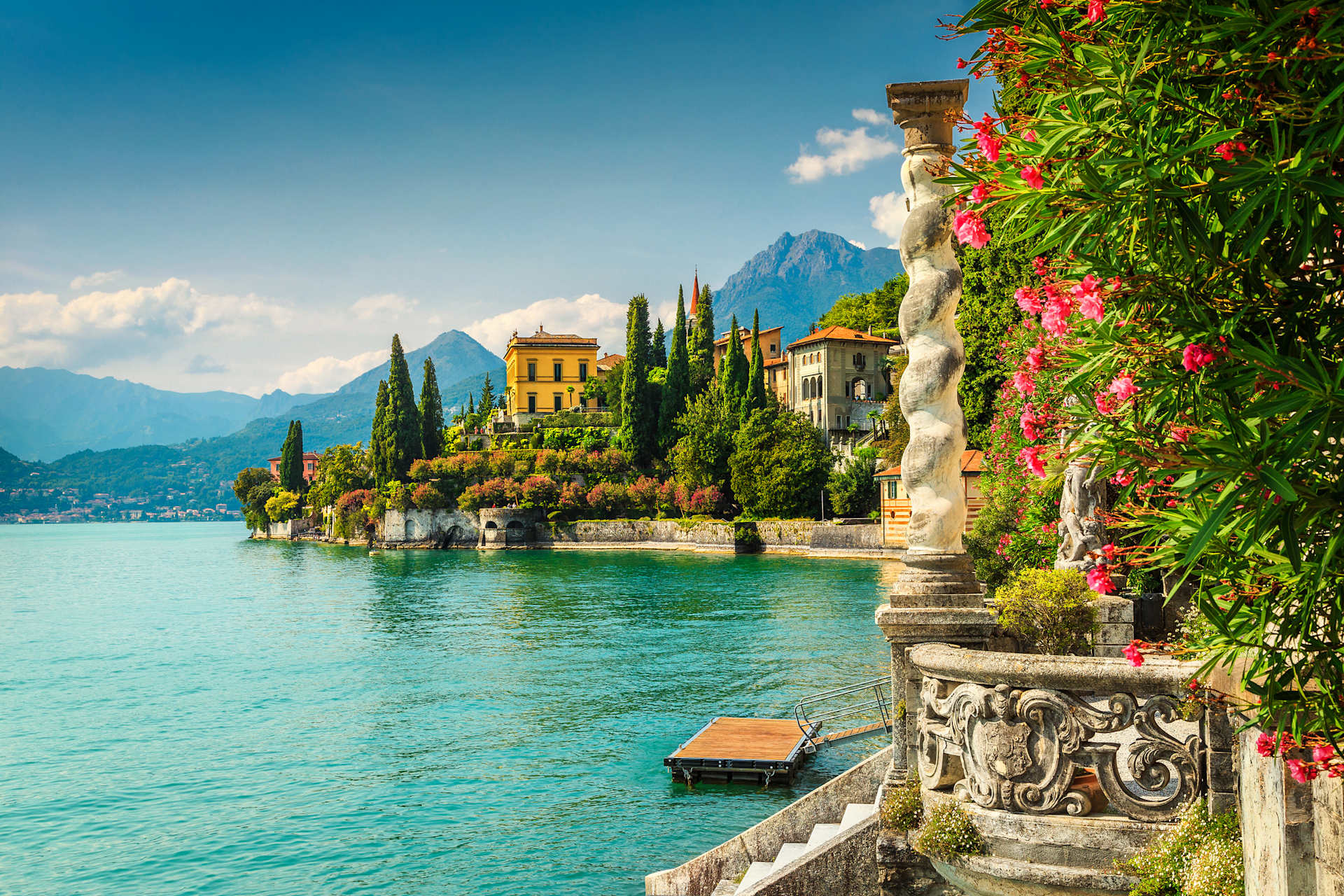
The Lake Region sits at the foot of the Alps but grows lemons and olives, a Mediterranean pocket where you'd expect snow. Como is the glamorous one, villa gardens and ferries crossing between Bellagio and the smaller towns most people skip. Garda is bigger and built for moving: lemon terraces stacked above Limone, windsurfers off Desenzano, a route that climbs out of the lake basin toward the Dolomites. You can ride the shoreline in the morning and be among mountains by afternoon. Two trips here, both easy enough for a first cycling vacation, both with E-bikes.
Featured trip: Lake Como & the Italian Lake District
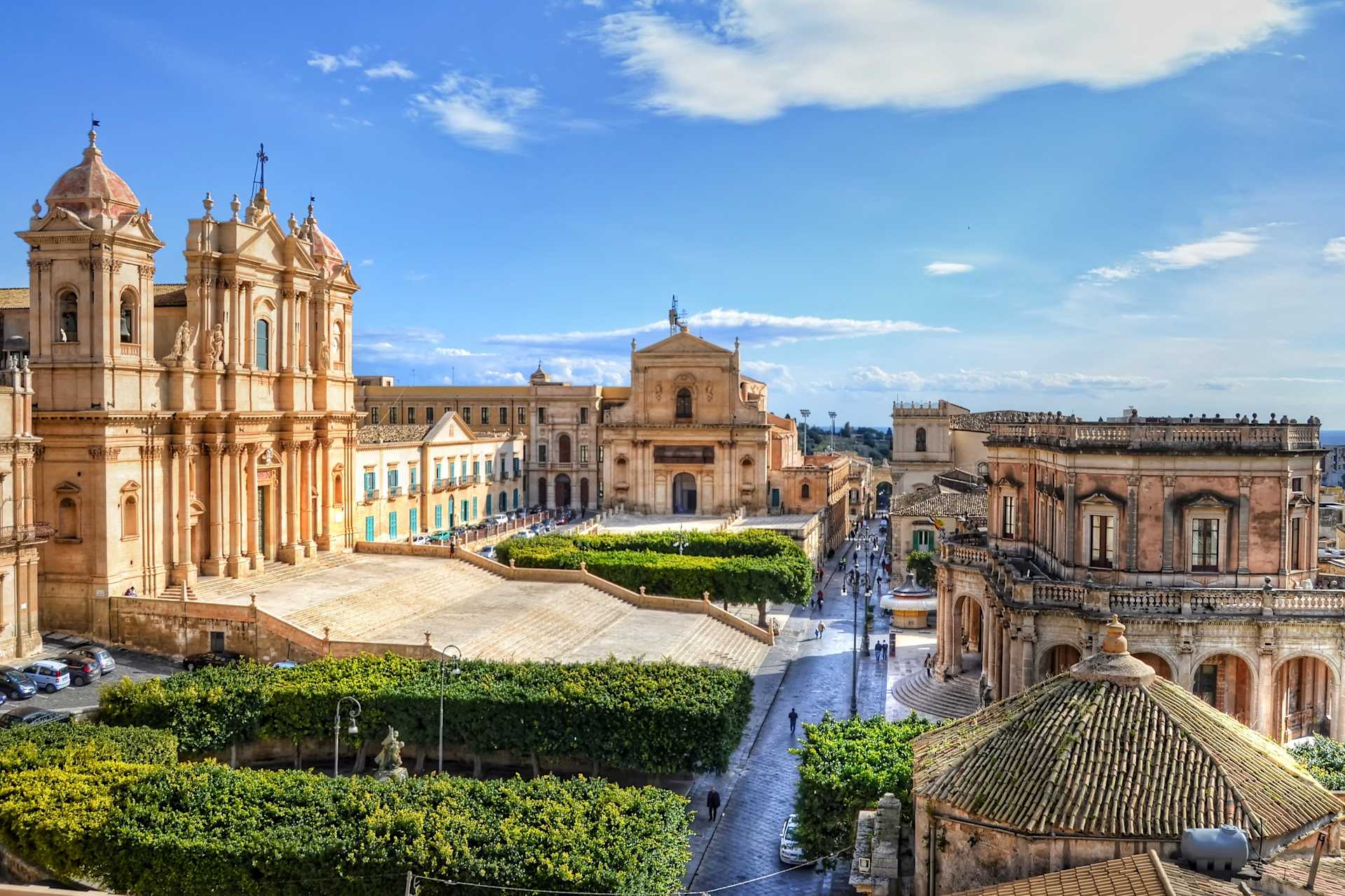
Sicily has been Greek, Arab, and Norman, and you can taste all of it in food that's still, at heart, Italian. The southeast corner is where VBT | Country Walkers rides and walks: Noto, rebuilt in honey-colored Baroque after a 1693 earthquake, and Syracuse, where the old town of Ortigia sits on a Greek foundation. The route runs through Modica, where chocolate is still made the cold, grainy way the Spanish brought over centuries ago. Breakfast is granita and a brioche. The wine is Nero d'Avola, dark and suited to the heat. The Ionian is never far. Two trips, one on foot and one by bike, both easy to moderate.
Featured trip: Sicily Bike Tour: Noto Valley & Syracuse
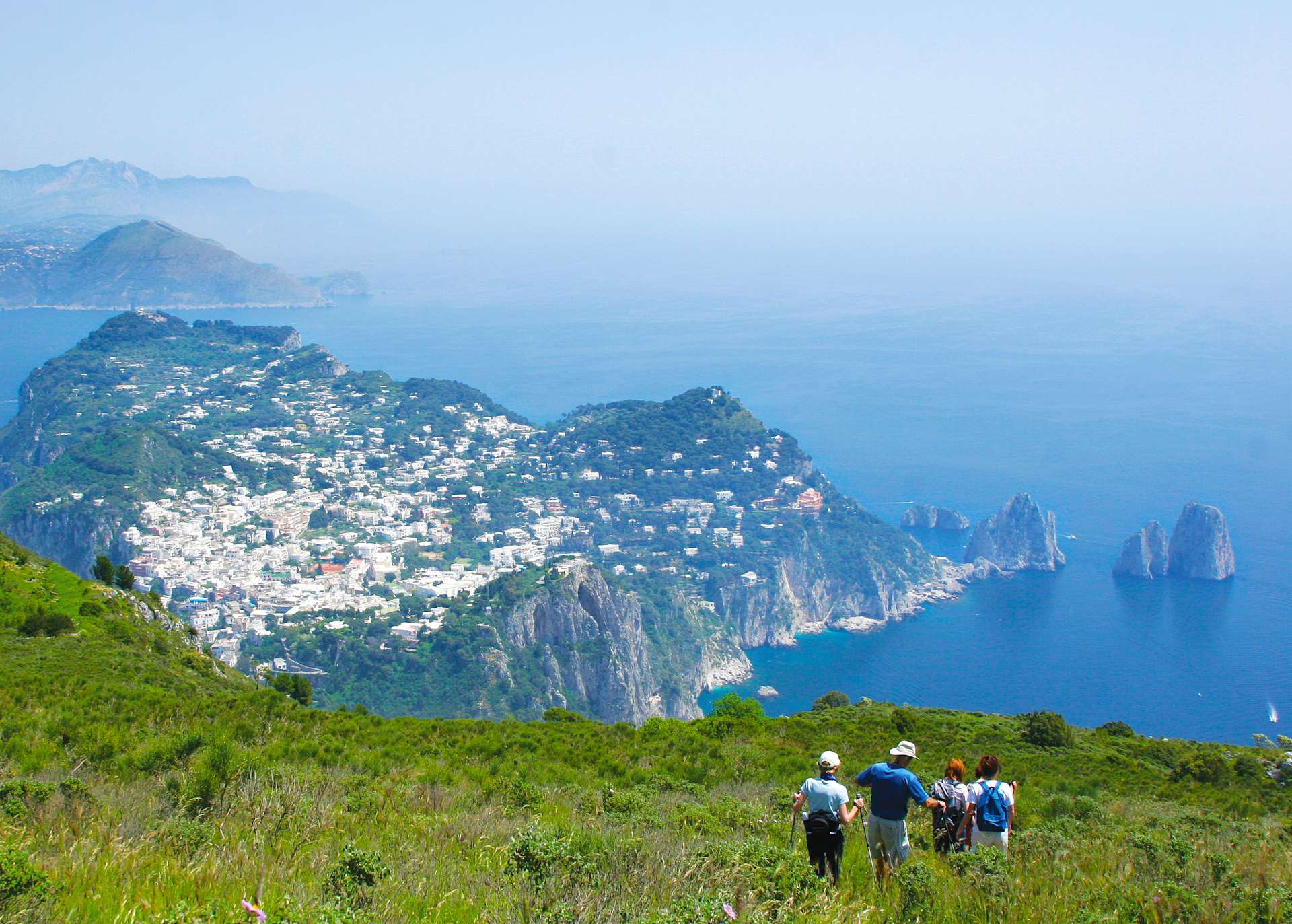
Our one trip here is a walking one. The best of the Amalfi Coast sits above the road, on footpaths that link the hill towns with the sea far below. VBT | Country Walkers' route puts you on the Path of the Gods, the ridge trail high over Positano, and into Ravello's gardens. It's a well-loved trail, so you'll share it, but the views earn the climb. Expect stairs, a lot of them, which is why this one rates moderate-challenging rather than easy. The reward is lemon terraces, limoncello at the source, and a boat across to Capri. Bring legs that don't mind elevation.
Featured trip: Amalfi Coast & Capri Walking Tour
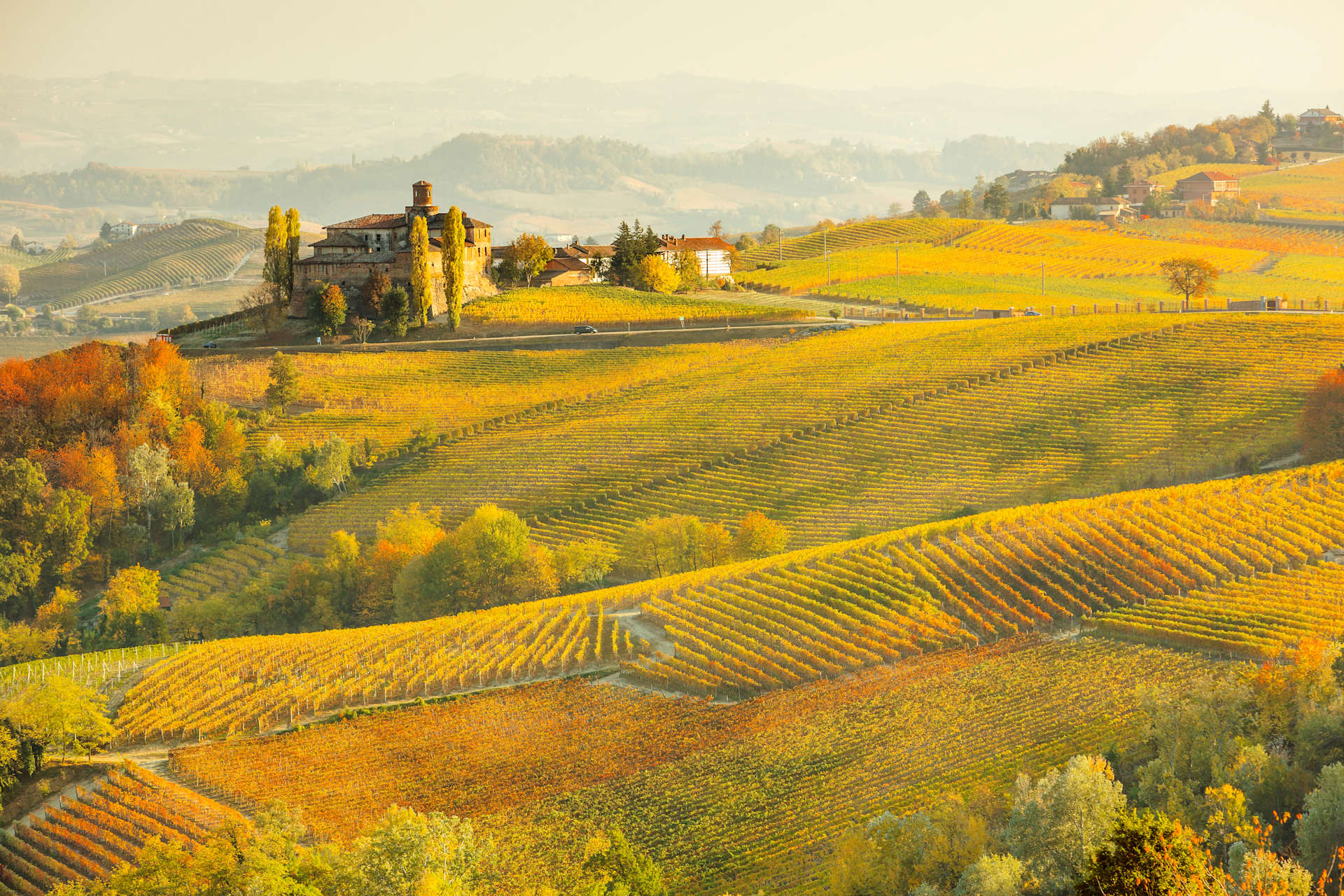
Piedmont is where Italians go when they're serious about wine and food. The Langhe hills produce Barolo and Barbaresco, both from the Nebbiolo grape, both worth the fuss. Alba's white truffles get auctioned for the price of a used car. The hazelnut spread the world calls Nutella started here, as gianduja, long before the jar. VBT | Country Walkers' trips pair these vineyard-covered hills with the Italian Riviera, on roads the Giro d'Italia has made famous, so you finish among the vineyards and end at the Ligurian coast. The Slow Food movement was founded a few towns over. One trip, easy to moderate, E-bikes to assist.
Featured trip: Piedmont, Langhe & the Italian Riviera
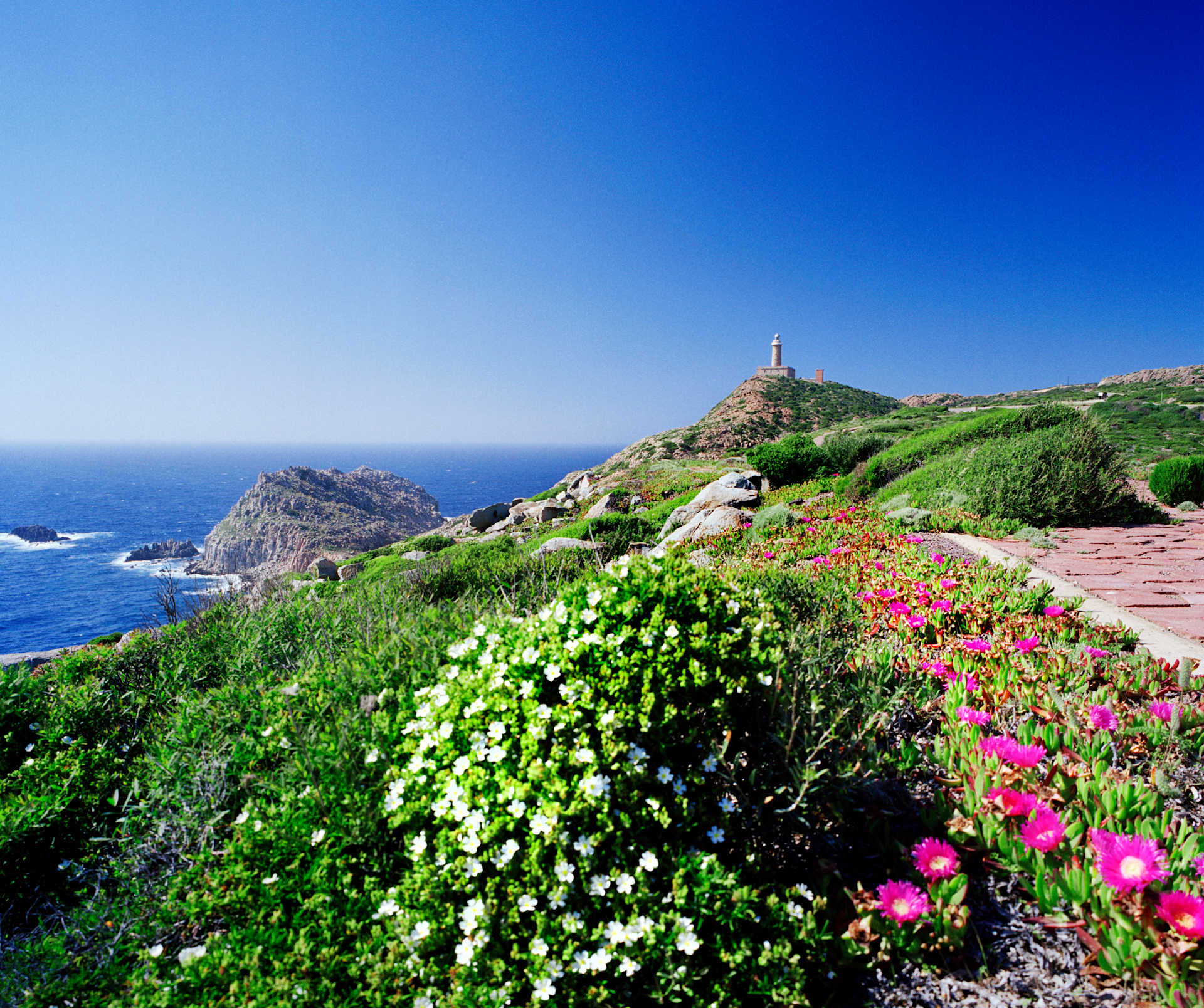
Sardinia barely feels Italian, which is the point. The island has its own language, beaches that rival the Caribbean, and thousands of nuraghi, Bronze Age stone towers found nowhere else on earth. VBT | Country Walkers' one trip here is self-guided, down the quiet southwest coast where the last mine closed years ago and sheep outnumber cars. You ride out to the island of San Pietro and its one town, Carloforte, and past the ancient ruins at Sant'Antioco, over terrain hillier than a beach island has any right to be. Vermentino in the glass, pecorino on the plate, the Mediterranean off to your right. Rated moderate-challenging.
Featured trip: Self-Guided Sardinia Bike Tour (West Coast)
Two questions decide most of it: bike or walk, and how hard you want to work.
Biking covers more ground, and most of VBT | Country Walkers' Italy trips are cycling adventures–thirteen of them. Walking, the other five, gets you where bikes generally can't go, like the Path of the Gods above Amalfi, the high trails of the Dolomites.
Difficulty matters more than the word "active" lets on. Easy, on a VBT | Country Walkers trip, means light rolling hills: Puglia's coast, the Dolomite valley paths, the lake shorelines. Moderate-challenging means real climbing and, on the walks, a lot of elevation gain and loss. Most trips sit in between, rated easy to moderate, which is where most travelers are comfortable. And E-bikes are available every ride, so "can I keep up" stops being the question it used to be. You get the motor when you want it and dial it down to a lower setting when you don't.
For a fuller picture of what fills the days on an active trip, including the cooking, wine tasting, and swimming alongside the riding and walking, see things to do in Italy.
The last choice is guided or self-guided. Guided trips come with local Trip Leaders, a small group, and on many departures a meal hosted in a local family's home. Self-guided trips (Puglia, Sardinia, the Dolomites) offer an audio-guided app with route notes and a local host on call, with the hotels and daily hotel-to-hotel transfers still arranged for you.
Spring and fall are the safe answer almost everywhere in Italy. Whether summer works depends on the region.
Spring and fall, most of the country. Tuscany, Puglia, Sicily, the Amalfi Coast, Sardinia, and Piedmont tours run mainly in the warm shoulder months and skip the peak-summer heat. The spring and fall also bring lighter crowds, and fall brings the harvest.
Through summer, the mountains and lakes. The Dolomites and the Italian Lakes stay cool enough to run into July, since altitude and water hold the temperature down. They're where to head if you want an active trip in high summer.
August, plan around it. VBT | Country Walkers runs almost nothing in August, and for good reason. It's when Italians take their own holidays and crowd the coasts, hill towns, and even the lakes. If you can travel during another month, do.
Harvest is a great reason to target fall. September brings ripening grapes in the wine regions, and October brings the crush–along with the truffle season in Piedmont.
Each trip lists its own departure dates, so the tour pages are the place to check exact timing. The Trip Planning Guide covers the rest, getting around, how long to stay, what to pack.
For a month-by-month breakdown and the timing details region by region, see our guide to the best time to visit Italy.
In Italy, food has a postcode. The burrata in Puglia was made that morning, a few towns from where you're eating it. The Barolo in Piedmont comes from a hillside you cycled past. This is the whole argument for moving through a place slowly: you eat the thing where it's actually from, not an approximation of it shipped from afar.
VBT | Country Walkers builds authentic local cuisine into the trips rather than leaving it to chance. In Chianti, you join a hands-on cooking class in the home of a longtime VBT host. In Tuscany, you visit an olive oil mill for a tasting, and in Puglia your masseria hosts pour their own oil at the table. There are winery visits across the regions and farm visits with the people who run the place. Many guided trips also include a meal hosted in someone's home, which tends to be the part travelers remember longest.
The regional logic holds for wine the way it does for food. Sangiovese is Tuscany. Nebbiolo, the grape behind Barolo and Barbaresco, is Piedmont. Nero d'Avola is Sicily, dark and suited to the heat. Vermentino turns up on Sardinia and the Ligurian coast. Each one reflects the region it grows in.
VBT | Country Walkers has run active trips in Italy since 1994, long enough to have the relationships that actually matter on the ground. The Trip Leaders are local Italians who live in the regions they guide, not guides flown in for the season. That's the difference between someone who can find the restaurant and someone who knows the family that runs it.
A few things show up across the trips. Many guided departures include a meal hosted in a local family's home rather than a restaurant. The lodging leans toward places with character, a fortified masseria in Puglia, an 18th-century wine estate in Barolo, a 17th-century villa in Sicily, instead of chain hotels. Guided trips run in small groups. Self-guided trips give you the route and the freedom to set your own daily pace, though you still share the hotel-to-hotel transfers with the group. E-bikes are available on every ride.
The range is the point. Some trips go deep into a single region, others cover more ground across several. They run from easy coastal rides to moderate-challenging mountain walks, guided and self-guided, so there's usually a version that fits.
You don't have to decide everything now. Start with how you want to travel, bike or walk, guided or self-guided, then pick the part of Italy that pulls at you. The rest tends to sort itself out. When you want to see actual dates and routes, the Italy tours page lays out all eighteen trips by region, season, and effort. Or keep reading: the regional guides go deeper on the places this page only introduces.



Over 98% of guests tell us they plan to travel with VBT | Country Walkers again.