Spring and fall are the easy answers. The right timing depends on where you're going and what you're doing once you get there.
By Matt Thompson, Travel Writer
The best time to visit Italy is late spring, roughly May into June, and fall, September into October. Both windows give you mild weather and regional life in full swing for a great cultural experience. The heat holds through the first half of September in much of the country, so late September and October are the real sweet spot, when the weather cools and a day on a bike or on foot gets comfortable again. Italy also varies enormously from one region to the next, and the right timing depends on where you're headed and what you plan to do once you're there. The Dolomites peak in high summer, when the south is too hot to enjoy on a bike. Sicily is glorious in April, when the north is still shaking off rain. This guide sorts the year two ways, month by month and region by region, so you can match the trip to the calendar.
"Weather and crowds" is the answer any tour guide will give you, and it's true as far as it goes. In May and October, most of central Italy sits in the low-to-mid 70s Fahrenheit by day, cool enough at night for a jacket. Tuscany, Umbria, and the hill towns of the center are close to perfect. The sea has warmed up by September; by late May, it's already warm enough for the brave. As for crowds: you'll still share the big sights in Florence and Rome with plenty of other people, but out on the back roads and trails where VBT | Country Walkers rides and walks, the crowds fall away and a table is much easier to find without a reservation.
January is cold, quiet, and generally cheaper in the cities. Rome and Florence are walkable without the crowds, museums included, and hotel rates drop to their yearly floor. This is a cities-and-food month, not an active-travel one. Much of the coast and countryside is closed or hibernating, with rural restaurants and family-run inns shut until spring. If you want Italy without the lines and don't mind bundling up, January is a good bet. Just don't plan on a bike or walking tour.
It's still winter in the north, though Sicily starts to turn. Almond trees begin blooming around Agrigento, the first sign of the season down south. Elsewhere it's cold and often wet, with short days and a low sun. This is a good month for a food-and-culture city trip, especially if you can pair a few days in the north with somewhere warmer. Active travel is still weeks off, so treat February as a museums-and-markets month rather than an outdoor one.
The season starts to shift. Weather is genuinely unpredictable, sun one day and cold rain the next, but the light lengthens and the south warms first. Agrigento's Almond Blossom Festival (early March) turns the Valley of the Temples into a folk celebration under the blossoms, a nice bit of general Sicily color even though it sits southwest of the island's main active-travel routes. Rome is comfortable and not yet mobbed. Northern Italy and the mountains are still too cold for cycling or walking. March is a transitional month: promising in Sicily and the south, patchy everywhere else.
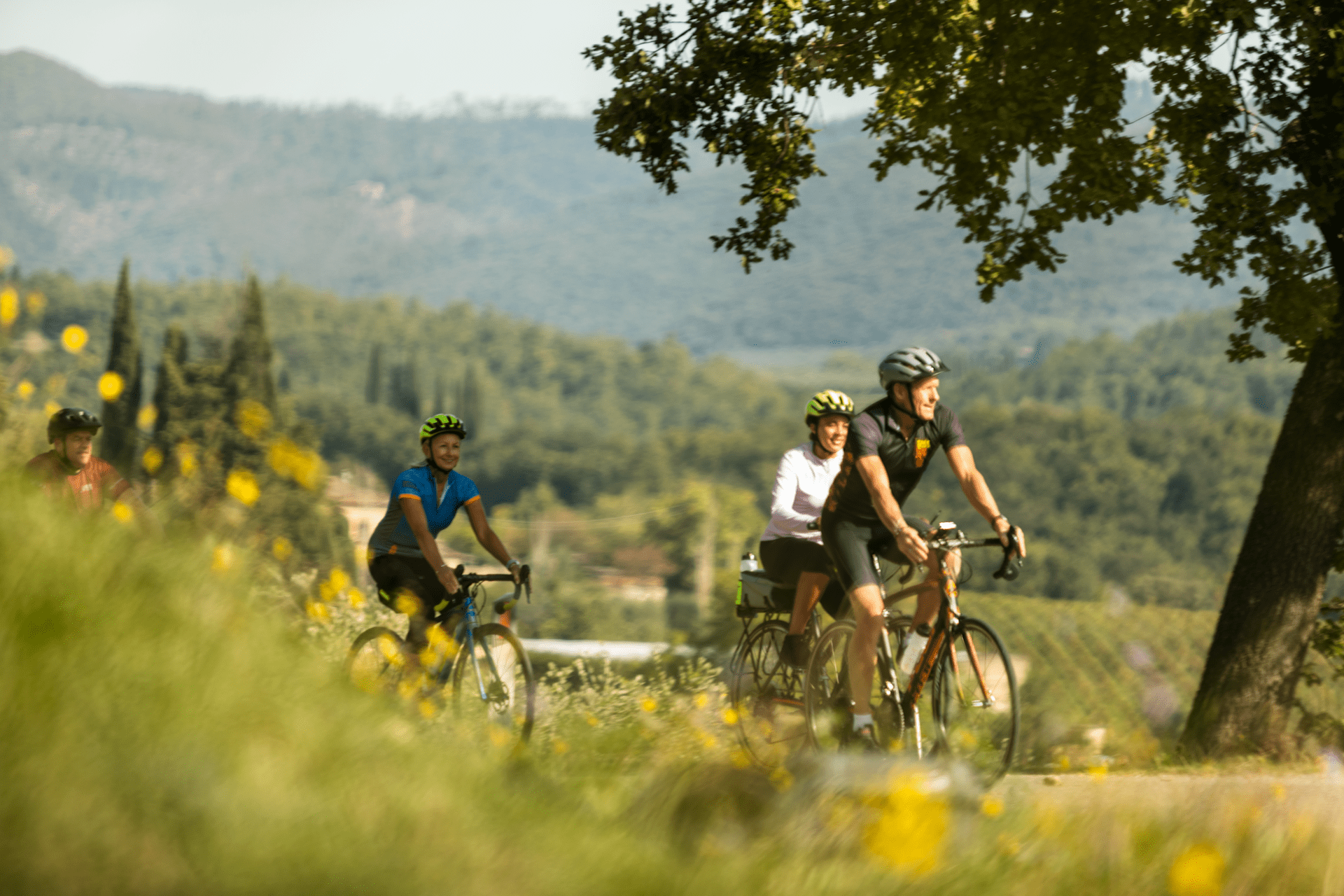
April is spring proper. Wildflowers spread across Sicily and the south, gardens open, and central Italy is at its best for walking and easy riding. The catch is Easter, which pushes prices up, closes shops, museums, and general services, and packs Rome, Florence, and Vatican City with visitors. Book early or plan around the holiday week. Away from the marquee cities, April is one of the year's quiet pleasures in southern Italy: green hills, cool mornings, hardly anyone on the back roads. It's also when our Italy tour season opens, with spring departures in Puglia and Tuscany before the summer heat arrives.
May is one of the two best months, full stop. You get warm days, cool nights, hillsides at their greenest, and a sea just warm enough for a plunge in the south. Tuscany, Umbria, and Puglia are ideal for cycling now. The one caveat is the north: late May can still bring rain to the Lakes and the Dolomites, and the highest trails may hold snow. Everywhere south of the Po, May is close to flawless.
Early June continues May's run; by late June the southern heat sets in. In our tour calendar, early June is the tail end of the spring window in the warm regions before they pause through July and August. The Dolomites reach their season now, as the rifugi (the mountain huts that shelter and feed hikers) open around mid-to-late June and the valley trails clear of snow. The Lakes are warm and lush. By the last week of the month, Puglia, Sicily, and the Amalfi Coast are hot enough that midday cycling stops being fun. Head north as summer arrives, or go early in the month before the heat sets in.
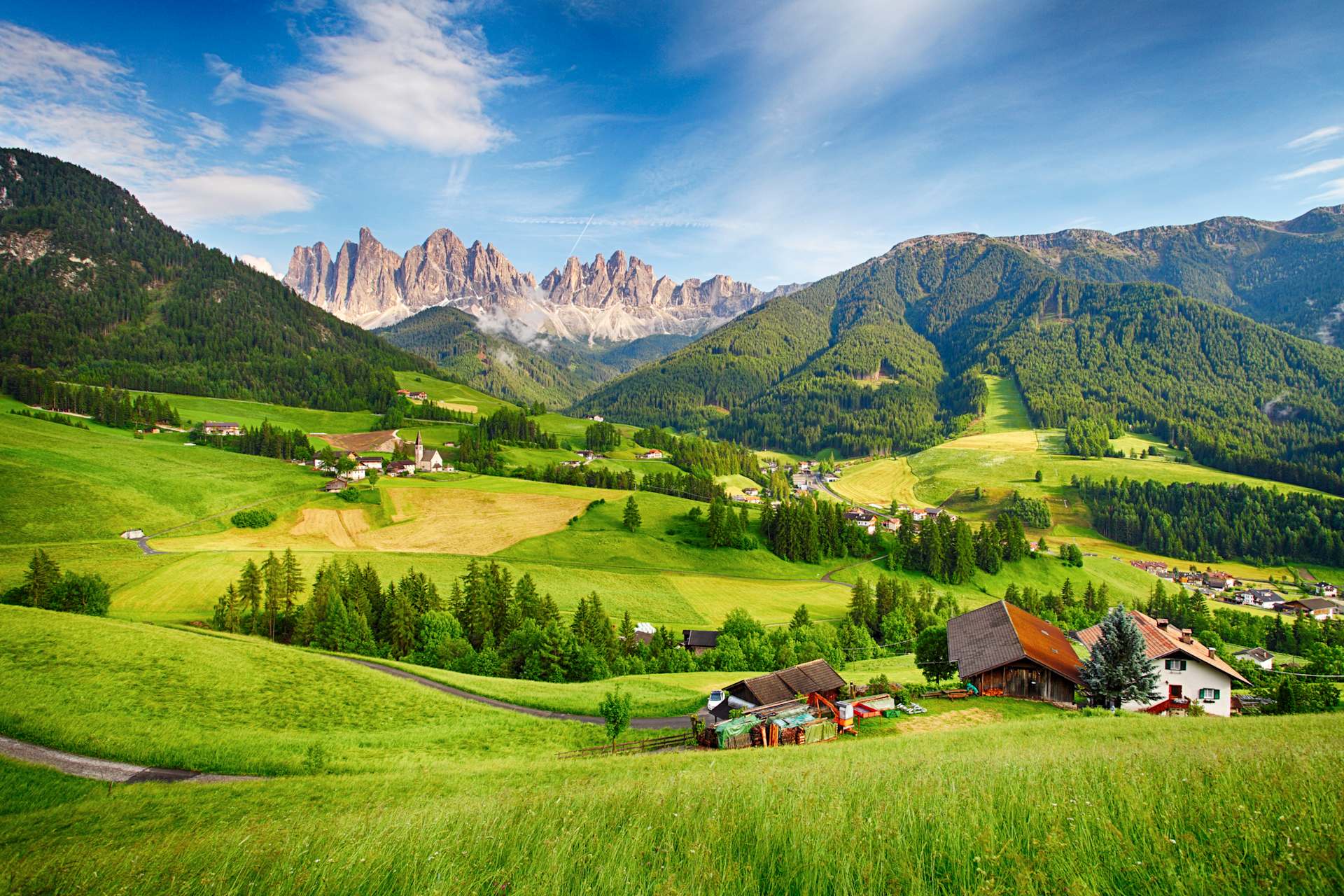
July is hot and busy nearly everywhere, with peak prices to match. For biking and walking, the mountains and lakes are the move now: the Dolomites and Lake Como stay comfortable when the rest of the country turns hot and humid. This is when Lake Como and Dolomites tours run; Piedmont returns in the fall. By July the south is too hot for comfortable riding or walking, so save Puglia and Sicily for the fall. If you're set on July, go high and stay cool.
August is the month to approach with caution across all of Italy. It's the hottest stretch of the year, and it's also when Italians take their own holidays. Ferragosto (August 15) empties the cities and shutters small restaurants and shops, especially in rural areas and the south. Crowds concentrate at the coast and the lakes, prices peak, and the heat makes active travel south of Rome genuinely unpleasant. Warmer region tours pause this month, but the cooler north keeps running: the Dolomites (on foot and by bike) and Lake Como both have August departures. If you want Italy in August, the Alpine north is the comfortable choice, and VBT | Country Walkers tours it well.
September starts hot. Through the first half of the month, much of Italy still feels like summer, and the heat doesn't really break until the last week or so. Once it does, September comes into its own: the sea is at its warmest after a summer of soaking up sun, the crowds thin as families head home for school, and the harvest begins, with grapes coming off the vines in Chianti and across the wine country. This is the start of peak fall-departure season for bike and walking tours. If you're choosing between early and late September, take late.
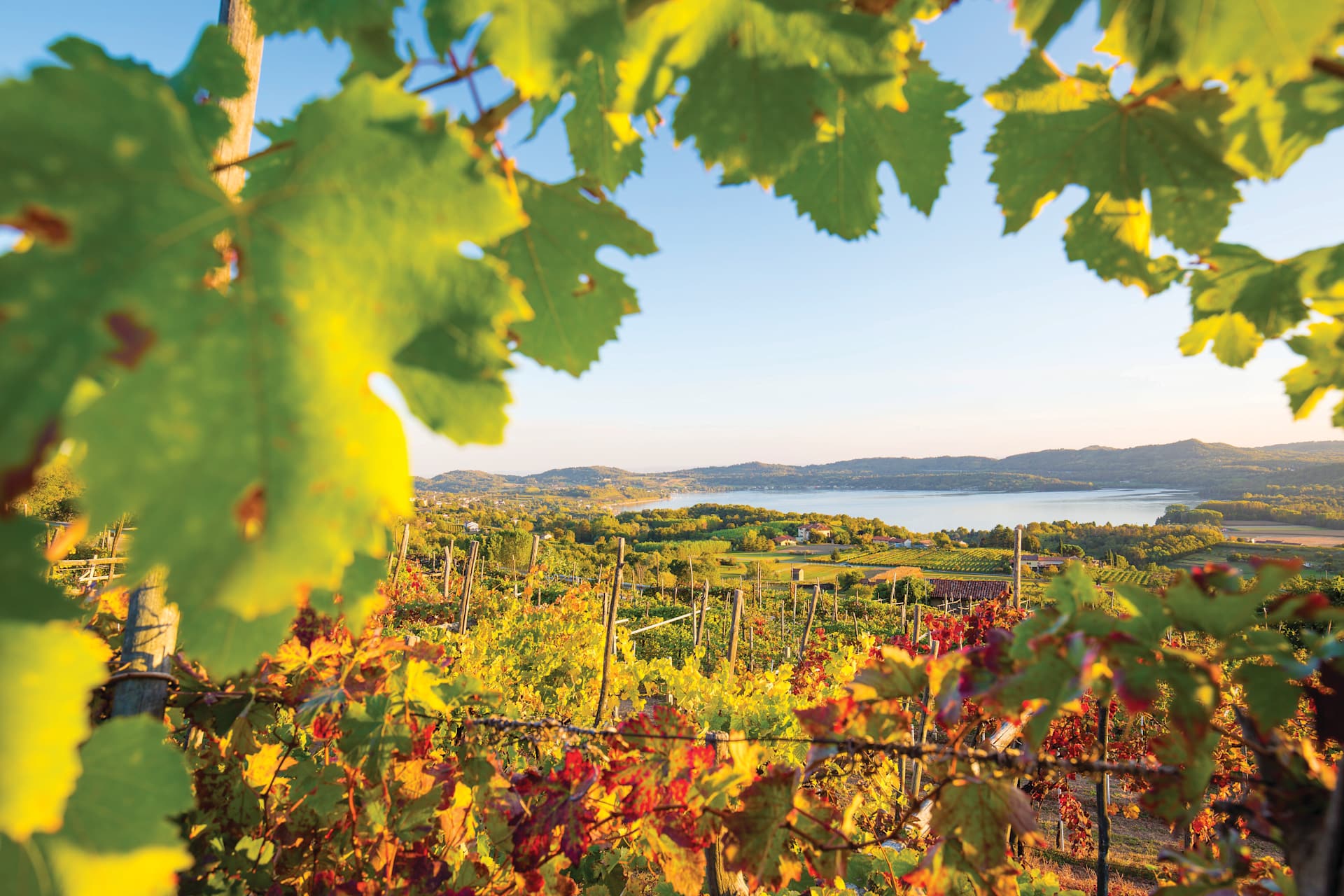
October is the month to beat. The heat is gone, the crowds have thinned, and the weather turns ideal for riding and walking: mild days, cool evenings, and soft afternoon light. Piedmont moves into truffle season, with the Nebbiolo harvest for Barolo underway; Puglia begins its olive harvest; and autumn sagre (village food festivals) fill weekends across the country. One caveat: the high Dolomites are closing down, with the huts shutting from late September into October, and daylight is noticeably shorter. Below the mountains, though, October is the most rewarding month of the year to be in Italy, and it's when our warm-region tours run the final departures of the season.
November is quiet, cooler, and wet in the north, where the Lakes and the Po valley see real rain. But the south still has mild days, and Puglia is deep into its olive harvest with the year's new oil, olio nuovo, pressing green and peppery. Italy’s primary vacation season has wrapped by now, with the last warm-region departures going out in October. Cities are calm and cheap again, although in the smaller towns and villages, many shops and restaurants may have already closed for the season. This is an off-season month with genuine rewards for anyone who prioritizes solitude over reliable sun. Bring a rain jacket if you're heading north, and expect early sunsets everywhere.
Winter returns, and the northern cities fill with Christmas markets and lights. Trentino and South Tyrol run some of the best markets in the Alps, with Bolzano's among them. Rome, Florence, and Milan are festive and, outside the holiday week itself, less crowded than in summer. It's cold and the days are short, so this is a market-and-museum month rather than an outdoor one. For the active traveler, most of Italy is simply too cold now to enjoy on a bike or on foot. Prices climb around Christmas and New Year's, then fall again. For a certain kind of traveler, December in an alpine market town is the whole point.
Italy's best season depends on where in the country you're going. Here's how the year plays out across the regions VBT | Country Walkers travels. For the wider picture on regions, activities, and how the trips are built, start with our Italy travel guide.
This is the one part of Italy that peaks in summer. The Dolomites are at their best from June into early October, once the snow is gone and the weather has settled. Our tours follow the valley bike paths and old rail trails here from July into October, and takes to the high trails on the Dolomites Walking Tour in August and September. The Italian Lakes hold their warmth from late spring into October, and Lake Como tours depart July through October. Piedmont is at its best in spring for the wildflowers and again in fall, when the truffles and Nebbiolo peak; VBT | Country Walkers tours it in May and June, then September and October. The worst here is deep winter, with alpine closures, and November's rain on the lakes.
Tuscany and Umbria are what most people picture when they picture Italy, and the timing is straightforward. May, June, September, and October are the best windows, and September adds the grape harvest across Chianti and the wine roads. Spring brings green hills and wildflowers; fall brings the vendemmia and softer light. Chianti tours depart April through June, and again in September and October, in the heart of the harvest. Avoid August, when the heat and the crowds arrive together and the hill towns are at their least pleasant. The rolling terrain that makes central Italy such good riding country is punishing in high summer and a pleasure in the cooler months.
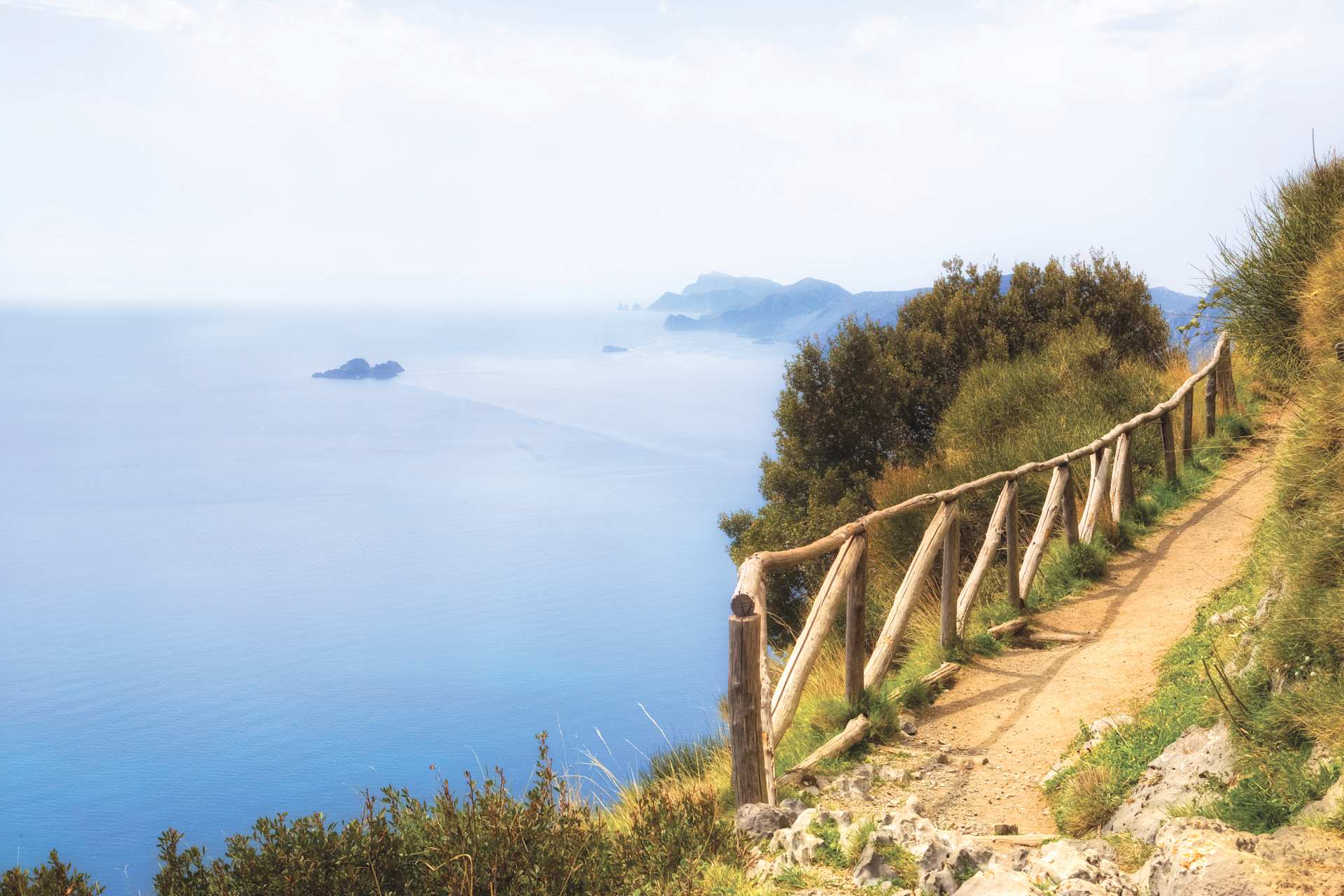
Amalfi and Campania are best in spring and fall. April through May and September into October are the sweet spots, when the walking trails above the coast (the Path of the Gods among them) are warm but not scorching. In summer the single coast road becomes a hairpin traffic jam, and August piles heat and peak prices on top. Come at either end of the season and the whole coast is easier: the stone steps are comfortable rather than punishing underfoot, the road actually moves, and the towns are far less crowded. Amalfi Coast walking tours are a spring and fall trip, with April, May, September and October departures.
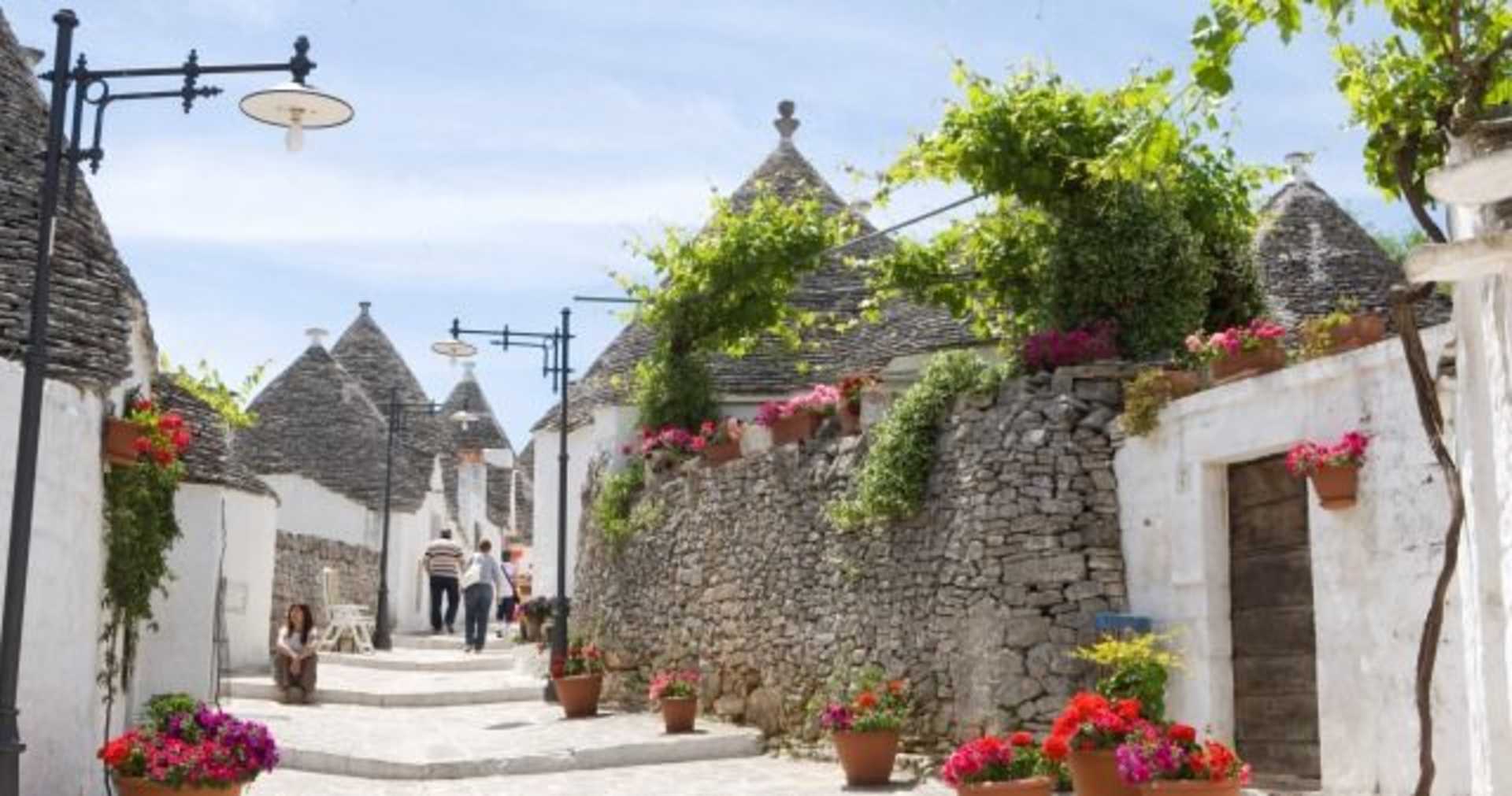
The south is best for travelers who come at the edges of the summer season. April through June and September into October are ideal. Puglia's olive harvest fills October; Sardinia's beaches stay swimmable into September; Sicily's spring brings wildflowers. Puglia tours depart in September and October, and again in spring from April into June. Sicily is a spring and fall trip, with April, May, June, September and October departures. And the Self-Guided Sardinia Bike Tour rides the island's quiet west coast in September, with late-spring departures in May and June. All of them pause in July and August, when the heat makes cycling less enjoyable. Come at either end of the season, and the south is arguably the best region to travel in Italy.
Rome, Venice, and Florence aren't primary stops on an active tour, but they connect to VBT | Country Walkers itineraries as Extra Experiences and gateway cities: Florence before a Chianti trip, Venice before the Dolomites, Rome after Sicily. If you're adding a city stay to either end of a tour, April, May, September, and October are the most comfortable months to walk them, and Easter week packs Rome and Florence with crowds and higher prices. Book stays in those cities early if you're planning to be there around the holidays.
Timing matters most for active travel, because heat and daylight change what a day on a bike or on foot actually feels like. Two patterns hold across the country. Fall, September and October, is the reliable window everywhere VBT | Country Walkers travels in Italy; the weather has cooled, the crowds have thinned, and the harvest is on. The north is the exception that peaks in summer, when the Dolomites, the Lakes, and Piedmont are at their best and the south is too hot to enjoy.
The table below lays out each region with its best window for travel and the tours that run there, so you can line up a season with an itinerary at a glance.
| Region | Best Time to Travel | Popular Tour Departure Timing |
|
Dolomites & South Tyrol |
July into early October |
Dolomites Bike into Alpine Valleys (July, Sept–Oct) Dolomites Walking (Aug–Sept) Dolomites Self-Guided Bike (July–Sept) Lake Garda & the Dolomites (July–Sept) |
| Italian Lakes | Late Spring into October |
Lake Como Bike (July–Oct) |
|
Piedmont |
May–June and September–October |
Piedmont Bike through Langhe & the Riviera (May, June, Sept, Oct) |
| Tuscany & Umbria | May–June and September–October | Chianti Bike (Apr–June, Sept–Oct)
Tuscany Bike by the Sea (Apr–June, Sept–Oct) Tuscany Walking (Sept–Oct) Umbria Bike (Sept–Oct) |
| Amalfi Coast & Campania | April–May and September–October |
Amalfi Coast Walking (Sept–Oct) |
| Puglia | April–June and September–October | Puglia Bike on the Undiscovered Coast (Apr–June, Sept–Oct)
Puglia Walking (Sept–Oct) Puglia Self-Guided Bike (Sept–Oct) |
| Sicily | April–May and September–October | Sicily Bike in Noto Valley & Syracuse (Sept–Oct)
Sicily Walking (Sept–Oct) |
| Sardinia | May–June and September | Self-Guided Sardinia Bike, west coast (May, June, Sept) |
Three things shape the timing decision without being the decision itself.
Crowds and pricing peak in July and August across the whole country, and again around Christmas and New Year's in the northern cities with their markets. Easter brings a spike to Rome and Florence specifically. If your dates are flexible, the quieter spring and fall months save you money as well as hassle.
Seasonal moments are worth timing a trip around, and the best ones sit right on popular tour routes. The Tuscan vendemmia runs through September, when the grapes come off the vines in Chianti. Puglia's olive harvest and the first pressing of olio nuovo fill October. Piedmont moves into truffle season and the Nebbiolo harvest for Barolo in the fall. And South Tyrol's Christmas markets, Bolzano's among them, run through December. These are the flavors of each region in its best season, whether or not a given departure lines up with them exactly. Agrigento's Almond Blossom Festival in early March is a pleasant bit of Sicily color, though it sits off the main active-travel routes.
Weather extremes are the last variable. The south is very hot in August, and the heat holds into the first half of September. The north turns wet in late fall. And the high Dolomites can hold snow into May and see it return by mid-October, which is the whole reason their season is so short. None of this is a reason to stay home. It's a reason to match the region to the month.
The season is the starting point; the region and the activity refine it. Once you know when you want to go, the next question is where, and the two choices shape each other. VBT | Country Walkers has spent decades riding and walking Italy across every month it makes sense to travel, and the trips are timed to catch each region at its best.
Browse Italy tours to see what runs when, or read things to do in Italy to match your season to an activity. Still early in your planning? Head back to the Italy trip planning guide for the rest of the practical questions.

Over 98% of guests tell us they plan to travel with VBT | Country Walkers again.